
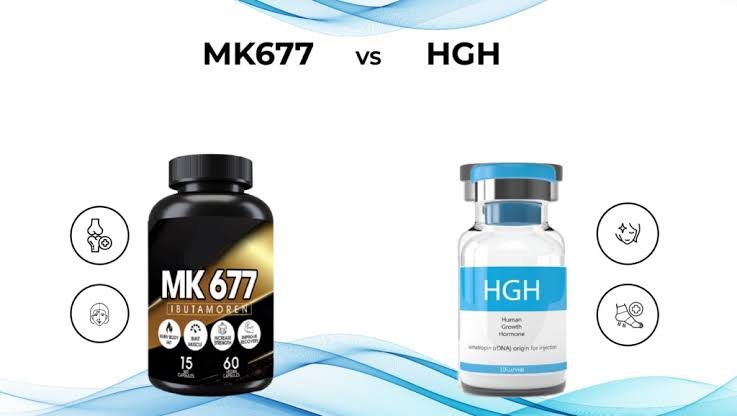
Growth hormone therapy is a specialized area of medicine that involves replacing or supplementing growth hormone when the body does not produce enough of it. When people research products or information associated with https://genxtropin.co.uk/, it is important to understand how such terminology relates to the broader medical concept of growth hormone treatment.
Growth hormone, often abbreviated as GH, is naturally produced by the pituitary gland. It has important roles in childhood growth and also contributes to metabolism, body composition, and tissue maintenance throughout adulthood. When a person has confirmed growth hormone deficiency, medically supervised hormone replacement may be considered.
Understanding Growth Hormone Therapy
Growth hormone therapy generally refers to treatment using a manufactured form of human growth hormone, such as recombinant human growth hormone. Somatropin is a synthetic form that is designed to closely resemble naturally occurring human growth hormone. It has been used in medical settings for both children and adults with appropriate forms of growth hormone deficiency.
The purpose of therapy depends on the patient’s age and diagnosis. In children, treatment may help address growth failure associated with inadequate growth hormone secretion. In adults, replacement therapy can be used for confirmed growth hormone deficiency resulting from conditions affecting the pituitary gland or hypothalamus.
Therefore, when researching GenXtropin HGH UK, readers should distinguish between general information about HGH products and established medical growth hormone therapy. A product name or website should not automatically be interpreted as evidence that a particular product is medically approved, appropriate, or equivalent to a prescription treatment.
How Growth Hormone Works in the Body
Growth hormone is released naturally by the pituitary gland, with secretion varying throughout the day. It influences several biological processes, including growth and metabolism. One important pathway involves insulin-like growth factor 1, commonly called IGF-1.
In growing children, GH and IGF-1 contribute to bone and tissue growth. In adults, growth hormone continues to influence body composition and aspects of metabolic and tissue function. Because these effects are broad, altering growth hormone levels can have consequences throughout the body.
This is one reason genuine growth hormone therapy requires medical assessment rather than simply focusing on perceived benefits.
GenXtropin HGH UK and the Importance of Product Information
People searching for GenXtropin HGH UK may encounter information about HGH, hormone replacement, dosing, administration, or expected effects. However, these subjects require careful interpretation.
The key question is not simply whether something is described as HGH. Instead, consumers should consider what the active ingredient is, whether the product has appropriate authorization for its intended use, how it is manufactured and stored, and whether its use is supported by medical evidence.
Regulatory approval is particularly important because legitimate growth hormone medicines have specific indications. For example, regulatory records describe somatropin products for particular growth-related conditions, while newer growth hormone therapies may have different approved uses and administration schedules.
Consequently, online descriptions should not replace professional evaluation.
Diagnosing Growth Hormone Deficiency
Growth hormone therapy is normally based on an appropriate diagnosis rather than symptoms alone. Doctors may consider medical history, physical development, growth patterns, laboratory investigations, and other endocrine assessments.
For children experiencing restricted growth, the NHS notes that doctors may use blood tests, genetic testing, and X-rays as part of investigating the underlying cause. Growth hormone can be used for certain forms of restricted growth, depending on the diagnosis.
Adult diagnosis can also involve specialist endocrine assessment. Depending on the circumstances, dynamic testing may be required to establish whether growth hormone production is genuinely deficient. Clinical guidance describes specialist testing and assessment as important components of diagnosis.
This diagnostic process helps distinguish genuine hormone deficiency from other causes of symptoms or growth differences.
Treatment Options Can Differ
Growth hormone therapy is not necessarily identical for every patient. Different medicines can contain different growth hormone-related substances, and their approved indications and dosing schedules can vary.
Traditional somatropin treatments have commonly involved regular subcutaneous injections. More recently, certain long-acting growth hormone treatments have provided less frequent administration for specific patient groups. The NHS describes somatropin as a daily injection for many causes of restricted growth, while somatrogon and somapacitan can be administered weekly in appropriate cases of growth hormone deficiency.
For example, the FDA has approved certain growth hormone medicines for specific pediatric or adult growth hormone deficiency indications. These approvals demonstrate why the exact medicine and indication matter when discussing HGH therapy.
Why Medical Supervision Matters
Growth hormone is biologically active, meaning that inappropriate use can potentially cause unwanted effects. Medical supervision allows treatment to be evaluated according to the patient’s diagnosis, response, laboratory findings, and overall health.
Specialist guidance may also be necessary when adjusting treatment. UK clinical guidance recommends specialist involvement in initiating and monitoring growth hormone therapy, particularly for patients with diagnosed growth disorders.
Patients should also discuss existing medical conditions and other medicines with their healthcare professional before starting or changing hormone treatment.
What Consumers Should Check
When researching GenXtropin HGH UK or any other HGH-related product, several practical questions are worth considering:
Check the Active Ingredient
The term HGH can refer broadly to growth hormone, but products can differ significantly. Look for the precise active ingredient and formulation rather than relying only on marketing terminology.
Check Regulatory Status
A legitimate medicine should have an appropriate regulatory status for its intended market and indication. Approval does not mean that every person can use the medicine; it means the product has been evaluated for specified uses under regulatory requirements.
Consider Storage and Handling
Growth hormone medicines can have specific storage and handling requirements. Following the manufacturer’s instructions is important for maintaining product quality.
Seek Professional Advice
Anyone considering hormone therapy should speak with an appropriately qualified healthcare professional. This is particularly important because symptoms sometimes attributed to low growth hormone can have many different causes.
The Broader Role of HGH Treatment
The relationship between GenXtropin HGH UK and growth hormone therapy should therefore be understood within the wider medical context of HGH treatment. Growth hormone replacement is an established medical approach for appropriately diagnosed deficiencies, but it is not a universal treatment for ordinary tiredness, normal aging, or general performance goals.
Evidence-based therapy focuses on the correct diagnosis, an appropriate medicine, individualized dosing, monitoring, and continued assessment. UK clinical guidance emphasizes specialist oversight and ongoing evaluation for patients receiving growth hormone treatment.
Making Sense of HGH Information
Online information about GenXtropin HGH UK can introduce readers to the subject of growth hormone, but understanding the difference between a product description and medically supervised therapy is essential.
Growth hormone treatment is a specialized medical intervention based on established diagnoses and treatment protocols. The appropriate medicine, dose, administration schedule, and monitoring requirements depend on the individual’s circumstances.
For anyone researching HGH, the most useful approach is to verify product information through reliable regulatory and healthcare sources and discuss personal treatment questions with a qualified medical professional. This provides a clearer understanding of what growth hormone therapy involves and helps separate established medical information from unsupported claims.