
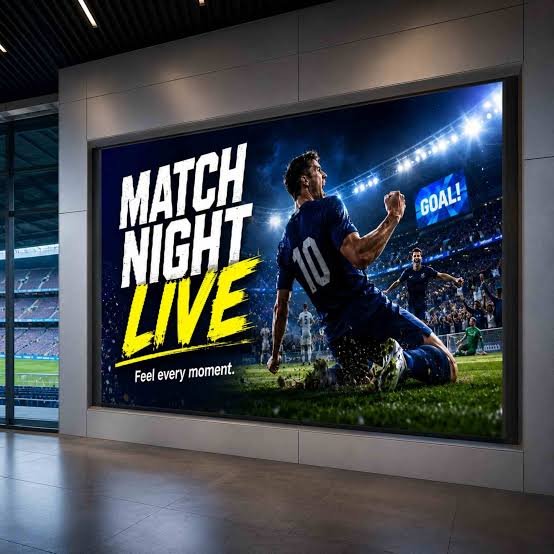
In the evolving landscape of digital display technology, commercial spaces require visual solutions that deliver crisp image quality, high reliability, and long-term durability. Traditional Surface-Mounted Device (SMD) LED displays have long served the market, but recent advancements have introduced Chip-on-Board technology as the new gold standard for high-density, ultra-high-definition visual experiences. Choosing an Indoor COB LED Screen offers businesses an innovative way to present critical data, advertising, and interactive media in environments where close-up viewing and seamless visuals are essential.
Understanding the mechanics and practical advantages of this advanced display format helps enterprises make informed decisions when upgrading their digital infrastructure.
Understanding Chip-on-Board Technology
To appreciate why an Indoor COB LED Screen outperforms traditional display systems, it is essential to understand how Chip-on-Board architecture works. Traditional SMD technology packages individual LED chips into tiny plastic housings, which are then soldered onto a Printed Circuit Board (PCB). While effective for large visual walls viewed from a distance, SMD modules can suffer from fragility, heat accumulation, and limited pixel density.
In contrast, Chip-on-Board technology mounts microscopic LED chips directly onto the substrate PCB. Once connected, the entire module is encapsulated with a transparent epoxy resin or protective coating. Eliminating individual physical packages allows LED chips to sit much closer together, enabling fine pixel pitches below 1.0mm. This structural difference creates a smooth, continuous surface area that improves optical performance, durability, and energy efficiency across commercial settings.
Ultra-High-Definition Visual Performance
Visual clarity is often the primary metric evaluated when selecting digital signage for commercial installations. An Indoor COB LED Screen delivers significant visual improvements that make it ideal for high-resolution applications.
Fine Pixel Pitch and Pixel Density
Because the LED chips are integrated directly onto the circuit board without bulky packaging, manufacturers can achieve micro-pixel pitches ranging from P0.4 to P1.2. This higher pixel density allows displays to produce true 4K or 8K resolutions within compact wall spaces. Viewers can stand directly in front of the screen without noticing individual pixel gaps or visual graininess.
Enhanced Contrast Ratios and Surface Uniformity
The protective epoxy coating on a Chip-on-Board panel can be engineered with matte or deep black surface finishes. This design dramatically improves black levels and ambient light absorption, producing high contrast ratios. Bright highlights stand out clearly against rich, deep blacks, creating vivid color reproduction suitable for luxury retail branding, high-end broadcasts, and graphic design reviews.
Ultra-Wide Viewing Angles
Traditional SMD LEDs can suffer from color shifting or brightness drop-offs when viewed from sharp angles due to the physical edges of the LED packages. An Indoor COB LED Screen provides viewing angles up to 170 degrees horizontally and vertically. Image clarity, color accuracy, and brightness remain uniform whether a viewer is standing directly in front of the display or observing it from the far corner of a room.
Enhanced Physical Durability and Protection
Commercial environments often subject electronic displays to physical touch, dust accumulation, moisture, and accidental impacts. The encapsulated design of an Indoor COB LED Screen addresses these environmental hazards directly.
Superior Impact and Moisture Resistance
Because the LED chips are fully embedded under a hard resin coating, the screen surface becomes virtually flat and solid. This structural design provides robust resistance against physical collisions, liquid splashes, dust ingress, and electrostatic discharge (ESD). In public spaces where touch screens or close proximity foot traffic are common, this protective barrier prevents broken pixels and costly repair visits.
Surface Cleanability
Maintaining traditional LED walls can be delicate, as individual SMD lamps can break off during routine cleaning. The smooth, seamless face of an Indoor COB LED Screen allows maintenance teams to wipe down the display easily without risking damage to sensitive electronic components.
Thermal Management and Energy Efficiency
Heat generation is a critical factor in the lifespan and performance of large-scale display installations. Excessive heat distorts color accuracy, accelerates LED degradation, and increases operational cooling costs.
An Indoor COB LED Screen manages thermal dissipation more efficiently than conventional displays. Because the LED chips sit directly on the circuit board, heat generated by the diodes transfers straight into the board’s thermal dissipation layers rather than being trapped inside individual plastic packages. Lower operating temperatures extend the lifespan of the diodes, maintain consistent color uniformity over time, and reduce energy consumption. Lower heat output also minimizes the thermal load on indoor air conditioning systems, providing long-term savings on utility bills.
Key Commercial Applications
The unique benefits of high resolution, durability, and wide viewing angles make an Indoor COB LED Screen suitable for a wide range of demanding commercial environments.
Command and Control Centers
Mission-critical environments like emergency response hubs, traffic monitoring facilities, and security operation centers require continuous display of complex maps, data streams, and high-definition video feeds. The fine pixel pitch and seamless surface of Chip-on-Board screens allow operators to read fine text and monitor detailed visuals for long hours without eye fatigue.
Corporate Boardrooms and Auditoriums
Modern corporate spaces rely on clear visual communication for presentations, global videoconferencing, and executive meetings. Replacing conventional projectors or tiled