
Introduction
Technology has transformed the way people approach fitness, exercise, and personal health. In the past, individuals often relied on manual methods to track their workouts, count steps, estimate calories, and monitor their progress. Today, wearable technology makes these tasks easier by providing useful information through smartwatches, fitness bands, smart rings, and other connected devices. These tools help people understand their activity levels, monitor selected health indicators, and make better decisions about their daily routines.
Wearable technology is becoming increasingly popular among athletes, gym enthusiasts, beginners, and people who simply want to maintain an active lifestyle. By collecting data throughout the day, these devices provide insights into movement, heart rate, sleep patterns, and exercise intensity. Users can then use this information to identify habits, recognize progress, and adjust their fitness plans.
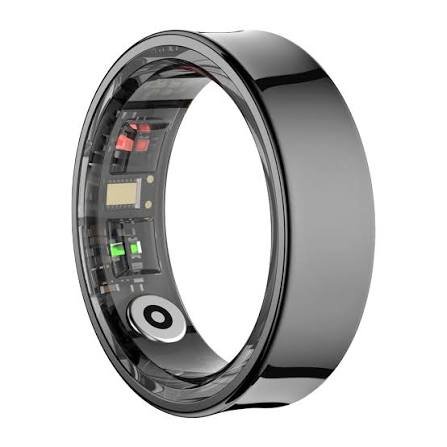
Smart rings are another interesting development in this growing market. Unlike traditional wrist-worn devices, smart rings offer a compact design that can be convenient for people who prefer smaller accessories. Anyone researching a budget smart ring with heart rate tracking may consider options such as the colmi r09 smart ring when comparing available features, comfort, compatibility, and price.
Understanding how wearable technology works can help individuals use these devices more effectively and develop a practical approach to improving fitness performance.
What Is Wearable Technology in Fitness?
Wearable technology refers to electronic devices designed to be worn on the body while collecting and displaying information. These devices often use sensors, software, and smartphone applications to measure activity and present useful statistics.
Common examples include smartwatches, fitness trackers, smart rings, heart rate monitors, and sports watches. Depending on the model, a wearable device may record steps, estimate distance, monitor heart rate, track sleep, or measure workout duration.
How Wearable Devices Collect Fitness Data
Most fitness wearables use motion sensors to identify movement. Accelerometers and gyroscopes can detect changes in direction, speed, and body movement. These measurements help devices estimate steps, activity levels, and certain workout metrics.
Optical heart rate sensors use light to detect changes in blood volume beneath the skin. The device processes these changes to estimate heart rate. Some products also provide sleep tracking and other wellness measurements through a combination of sensors and algorithms.
The information is usually transferred to a mobile application, where users can review daily summaries, weekly trends, and historical records. This makes it easier to understand activity patterns without manually recording every workout.
However, wearable measurements are estimates rather than perfect medical measurements. Accuracy can vary depending on the device, how it fits, the type of activity, and individual circumstances.
Tracking Daily Activity and Movement
One of the simplest ways wearable technology supports fitness is by measuring everyday movement. Many people spend long periods sitting at desks, studying, traveling, or using electronic devices. A fitness tracker can help them recognize how much they move throughout the day.
Counting Steps and Measuring Distance
Step counting provides an accessible way to monitor daily activity. Users can establish realistic movement goals and gradually increase their activity when appropriate.
For example, someone who usually spends most of the day sitting may begin by taking short walks during breaks. Over time, a step counter can help show whether these changes are becoming consistent habits.
Wearables may also estimate walking and running distance. Although these estimates can differ from actual distances, they provide a convenient way to observe general progress.
Encouraging Consistency
Daily activity records can motivate users to maintain a regular routine. Notifications, reminders, and progress summaries may encourage people to stand up, walk around, or complete planned activities.
The main benefit is not achieving a perfect number every day. Instead, it is developing sustainable habits that fit into everyday life.
Wearable technology can also help users recognize when their activity levels change because of work schedules, travel, weather, or other responsibilities. This awareness makes it easier to plan practical adjustments.
Monitoring Heart Rate During Exercise
Heart rate is an important measurement for understanding how the body responds to physical activity. During exercise, the heart generally beats faster to supply working muscles with oxygen. Monitoring heart rate can help users understand workout intensity and observe changes over time.
Understanding Exercise Intensity
Many fitness devices display heart rate in beats per minute. Users can review this measurement during activities such as walking, running, cycling, and gym sessions.
A relatively low heart rate may occur during rest or gentle activity, while more demanding exercise generally increases heart rate. However, individual responses vary according to fitness, age, stress, temperature, medication, hydration, and other factors.
Heart rate information can help people distinguish between easier and more challenging sessions. Beginners may use it to avoid making every workout unnecessarily intense, while experienced athletes may use it as one measurement when planning structured training.
Why Heart Rate Trends Matter
Individual readings are less informative than patterns observed over time. Reviewing resting heart rate trends, exercise responses, and recovery between sessions may help users understand their general fitness development.
For example, someone following a consistent aerobic training program might notice that the same familiar walking route feels easier after several weeks. Heart rate records can provide additional context, although changes can also reflect sleep, stress, temperature, and other influences.
Wearable heart rate readings should not be used alone to diagnose health conditions. Anyone experiencing concerning symptoms should seek appropriate medical advice instead of relying on a fitness device.
How Smart Rings Support Fitness Tracking
Smart rings offer an alternative to wrist-based fitness trackers. They are designed to fit around a finger and may contain miniature sensors that collect information about selected health and activity indicators.
Their small size makes them appealing to people who prefer discreet technology or find large wrist devices uncomfortable during certain activities.
Advantages of Compact Wearable Devices
A smart ring can be convenient for everyday wear because it does not occupy the wrist. This may suit individuals who already wear a traditional watch or prefer a minimal design.
Depending on the model, smart rings may support heart rate monitoring, sleep tracking, activity summaries, and smartphone synchronization. Their capabilities vary considerably, so checking the manufacturer’s specifications is important before purchasing one.
People interested in a budget smart ring with heart rate tracking should compare the features that matter most to their lifestyle. Battery life, app compatibility, sensor performance, comfort, charging requirements, and data presentation are all worth considering.
Exploring the COLMI R09 Smart Ring
The colmi r09 smart ring is one product shoppers may encounter when researching affordable smart rings. Before buying, prospective users should verify the current product specifications and confirm which functions are supported by the particular version being sold.
Important questions include whether heart rate measurements are available on demand or at scheduled intervals, whether sleep tracking is supported, which smartphone operating systems are compatible, and whether the companion application provides useful historical records.
Buyers should also investigate water-resistance limitations, battery expectations, sizing guidance, and the availability of software updates. These details can affect the overall experience as much as the device’s appearance.
An affordable smart ring may be suitable for general wellness awareness, but shoppers should not assume that every advertised feature has the same accuracy as professional equipment. Comparing independent reviews and checking return policies can help set realistic expectations.
Improving Workout Performance With Data
Wearable technology does more than record activity. When users interpret their measurements thoughtfully, the information can help them make adjustments to their exercise routines.
Setting Realistic Fitness Goals
A clear goal gives exercise a sense of direction. Someone might aim to walk regularly, build endurance, improve consistency, or complete a comfortable cycling session several times each week.
Wearable devices can help users measure progress toward these goals. Activity summaries and workout histories show whether planned sessions are becoming regular habits.
Goals should be realistic and flexible. Fitness development depends on individual circumstances, and progress does not always happen at the same pace. Rest days, schedule changes, and temporary setbacks are normal parts of an active lifestyle.
Understanding Training Progress
A fitness tracker can record workout duration, average heart rate, distance, and other available measurements. Reviewing these statistics may help users recognize changes in their performance.
For example, a runner may compare several similar routes to see whether their pace is becoming more consistent. A cyclist may monitor the duration of rides, while a beginner may simply track how regularly they complete planned sessions.
The most useful comparisons involve similar conditions. Differences in terrain, weather, sleep, and workout intensity can affect results, so a single measurement rarely tells the complete story.
Supporting Better Training Decisions
Data can help users identify when to increase activity gradually or maintain their current routine. If a workout repeatedly feels unusually difficult, reviewing recent sleep, activity, and recovery patterns may help explain the situation.
However, wearable recommendations should not replace common sense. Discomfort, dizziness, unusual breathlessness, or other concerning symptoms are reasons to stop exercising and seek appropriate guidance when needed.
The Role of Sleep and Recovery
Fitness improvements depend on more than the time spent exercising. Sleep and recovery also play important roles in physical performance, concentration, and general well-being.
Many wearable devices estimate sleep duration and identify periods of movement during the night. Some models offer estimates of sleep stages, although these classifications are not equivalent to a clinical sleep assessment.
Recognizing Sleep Patterns
A wearable can help users observe whether they maintain reasonably consistent sleep schedules. Reviewing several nights of information may reveal patterns associated with late bedtimes, irregular routines, or changes in daily activity.
These insights can encourage healthier habits, such as reducing late-night screen use, establishing a calming bedtime routine, and allowing sufficient time for rest.
Sleep measurements should be interpreted cautiously because consumer devices cannot determine every aspect of sleep quality. How someone feels during the day is also important.
Balancing Exercise and Recovery
Training without enough recovery can make exercise feel more difficult and reduce motivation. Some wearables estimate readiness or recovery using recent activity, sleep, and physiological measurements.
These scores can provide context, but they should not be treated as definitive instructions. A device may not fully account for emotional stress, illness, personal circumstances, or every factor influencing performance.
Combining wearable data with personal observations can support a more balanced routine.
Using Wearable Technology for Different Fitness Activities
Wearables can benefit people with different interests and experience levels. Their usefulness depends on the features available and how well those features match the activity.
Walking and Running
Walkers and runners can use activity trackers to record distance, duration, pace, and heart rate. These measurements help users follow familiar routes and evaluate their progress over time.
GPS-equipped watches can provide location-based distance information, while devices without GPS may estimate distance using movement sensors or connected phones.
Gym Training
During strength training, a wearable may record workout duration, heart rate, and general activity. Some smartwatches also support exercise logs and repetition counting for selected movements.
Heart rate alone cannot show how much weight someone lifts or whether their technique is correct. For strength development, workout records, appropriate resistance, good technique, and sufficient recovery remain important.
Cycling and Outdoor Activities
Cyclists may use wearables to track duration, heart rate, and route information when supported. Outdoor enthusiasts can use these records to understand their activity habits and plan future sessions.
Users should remember that not every wearable is designed for every sport. A ring may be convenient for daily monitoring but uncomfortable or unsuitable during heavy gripping, weightlifting, or activities where jewelry could become caught. Removing a ring during such activities may be the safer choice.
Choosing the Right Wearable Fitness Device
Selecting a wearable involves balancing features, comfort, reliability, and cost. A device with many functions is not necessarily the best option if the user only needs basic activity tracking.
Identify Your Main Fitness Priorities
Start by deciding what you want to monitor. Some people mainly need step counting and movement reminders, while others prioritize heart rate tracking, sleep summaries, or detailed running statistics.
Choosing a device according to actual needs can prevent unnecessary spending and make its information easier to use.
Compare Accuracy and Comfort
Sensor accuracy can vary across devices and activities. Wrist-based optical heart rate measurements may be less reliable during certain types of exercise, while movement can also affect readings from smart rings.
Comfort matters because a wearable needs to fit appropriately to collect useful measurements. Buyers should follow the manufacturer’s sizing instructions and check whether the device is suitable for their preferred activities.
Evaluate Battery Life and App Compatibility
Battery life influences how often a device needs charging. Smartphone compatibility determines whether users can access the accompanying application and review their records.
Before purchasing a budget smart ring with heart rate tracking, check whether the application supports the phone’s operating system, whether essential features require a subscription, and how historical data is stored.
Privacy is another consideration. Review the application’s permissions and privacy policy to understand how health-related information is collected, used, and shared.
Common Mistakes When Using Fitness Wearables
Wearable technology is most helpful when its limitations are understood. Treating every reading as perfectly accurate can lead to unnecessary concern or unrealistic expectations.
Focusing Too Much on Numbers
Daily scores and activity totals can be useful, but they do not fully represent health or fitness. A lower step count on a busy day does not mean that someone has failed, and a high activity score does not automatically indicate excellent recovery.
The purpose of tracking is to support healthier decisions, not to create pressure to meet every target.
Comparing Results Without Context
Different devices use different sensors and algorithms. Even two devices worn by the same person may produce different estimates.
For meaningful comparisons, it is often better to observe trends from the same device rather than treating every number as an exact measurement.
Ignoring Personal Feelings
Technology cannot fully understand how a person feels. Energy levels, motivation, soreness, stress, and comfort provide important information that may not appear in a dashboard.
A sensible fitness plan considers both recorded measurements and personal experience.
The Future of Wearable Fitness Technology
Wearable technology continues to develop through improvements in sensors, battery efficiency, mobile applications, and data analysis. Future devices may offer more personalized summaries and clearer explanations of activity patterns.
Artificial intelligence may help transform large amounts of collected information into practical suggestions. For example, applications could identify relationships between exercise schedules, sleep habits, and reported energy levels.
However, better analysis will still depend on reliable measurements, transparent recommendations, and responsible handling of personal data. Users should remain aware that wellness insights are not a substitute for professional medical assessment.
As the market expands, consumers will likely find a broader range of devices at different prices. This may make basic fitness monitoring more accessible to people who do not want to purchase an expensive smartwatch.
Conclusion
Wearable technology has made fitness tracking more accessible by helping people monitor activity, observe heart rate trends, review sleep patterns, and understand their exercise habits. Smartwatches, fitness bands, and smart rings offer different ways to collect useful information, allowing individuals to choose devices that match their routines and budgets.
The greatest benefit comes from using this information consistently and sensibly. Activity records can encourage regular movement, heart rate measurements can provide insight into exercise intensity, and sleep summaries can help users reflect on recovery habits. Together, these features can support informed decisions and sustainable fitness goals.
For shoppers exploring a budget smart ring with heart rate tracking, the colmi r09 smart ring may be worth researching alongside other available options. Comparing verified specifications, comfort, app compatibility, battery life, and limitations can help buyers make a more informed choice.
Ultimately, wearable technology works best as a supporting tool rather than a replacement for personal judgment. Combining useful data with balanced exercise, sufficient rest, appropriate nutrition, and realistic goals can help people build healthier habits and work toward better physical performance over time.