
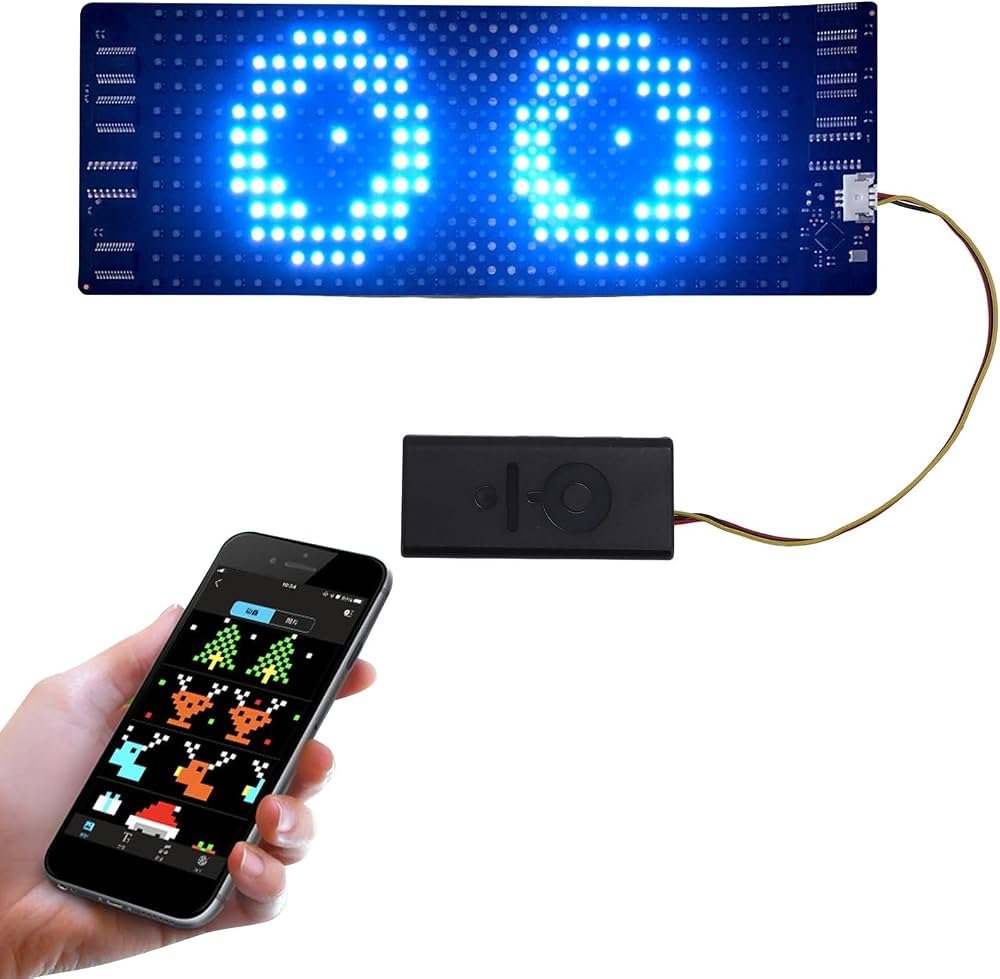
In the dynamic realms of modern architecture and commercial retail, visual engagement has become a cornerstone of structural identity and brand communication. Traditional flat digital screens, while effective for standard signage, often impose aesthetic limits on innovative spaces. Curved walls, grand pillars, fluid spatial interiors, and organic architectural contours demand display technology that seamlessly integrates with structure rather than clashing against it. Enter the Flexible LED Display—a transformative technology redefining how light, spatial media, and architectural surfaces interact.
The Evolution of Spatial Visual Media
For decades, digital signage was constrained by rigid glass panels and heavy aluminum frameworks. Architects and retail interior designers were forced to design around square, boxy displays. However, the rise of the Flexible LED Display has shattered these physical constraints.
Engineered with pliable printed circuit boards (PCBs) and specialized elastomeric rubber or silicone substrates, a Flexible LED Display can bend, roll, curve, and twist without compromising visual integrity or component safety. This elasticity enables continuous, seamless digital canvases across non-linear surfaces, unlocking unprecedented freedom for visionary designers.
Key Technological Advantages of a Flexible LED Display
The rapidly growing adoption of the Flexible LED Display in architectural installations and high-end retail venues is driven by several distinct performance and design advantages:
1. High Bendability and Custom Curvatures
Unlike rigid LED panels, a Flexible LED Display offers exceptional flexibility. Whether constructing convex curves, concave arches, or undulating wave patterns, these modules conform smoothly to complex geometry, ensuring smooth image delivery without visible seams or distortion.
2. Lightweight and Ultra-Thin Design
Structural weight load is always a critical factor in large-scale architectural projects. A Flexible LED Display features an ultra-lightweight profile, significantly reducing the load on supporting walls or hanging ceiling rigs. This lightweight property simplifies mounting procedures and cuts structural reinforcement costs.
3. Magnetic Front-Serviceability
Maintenance in intricate architectural structures can be challenging. Most modern Flexible LED Display systems utilize strong magnetic attachment mechanisms. Technicians can perform front-service maintenance quickly using specialized suction tools, allowing individual modules to be serviced or replaced without dismantling entire structural frame assemblies.
4. High Brightness and Color Uniformity
Equipped with surface-mount device (SMD) technology, a Flexible LED Display yields vibrant color saturation, exceptional contrast ratios, and wide viewing angles. Readers and shoppers experience crisp visuals regardless of whether they view the screen head-on or from extreme angles along curved perimeters.
Revolutionizing Modern Architecture
Architecture is no longer merely static concrete, glass, and steel. Today’s dynamic structures incorporate digital media directly into structural facades, foyers, and public hubs. A Flexible LED Display plays a vital role in animating architectural environments:
Seamless Column Wraps
Structural pillars are common in airport terminals, hotel lobbies, and corporate headquarters. Wrapping pillars with flat screens results in awkward faceted edges. A Flexible LED Display smoothly encases round or oval columns, transforming structural necessities into mesmerizing 360-degree digital landmarks.
Ceiling Wave Installations
Designers are increasingly looking upward to create immersive spatial experiences. Installing an undulating Flexible LED Display across expansive ceilings simulates natural fluid motions, atmospheric visuals, or abstract motion graphics that transport visitors into another atmosphere.
Atrium and Curved Wall Integration
Multi-story building atriums feature soaring curved surfaces that naturally attract human eyes. Integrating a Flexible LED Display directly along concave or convex atrium walls allows video art and corporate branding to mesh organically with the building’s original geometry.
Transforming Retail Experiences and Brand Engagement
In the modern retail ecosystem, store interiors must provide more than products; they must deliver memorable immersive experiences. A Flexible LED Display gives brand visual strategists powerful tools to elevate retail environments:
Sculptural Product Displays
In luxury fashion boutiques and flagship tech stores, product display tables and showcase stands are often sculpted in organic, flowing shapes. Integrating a Flexible LED Display into product podiums creates dynamic backgrounds that highlight product features in real-time.
Dynamic Storefront Windows
First impressions drive foot traffic. Window displays featuring a custom-curved Flexible LED Display capture attention much faster than static posters or standard flat panels. The fluid movement of high-resolution media draws shoppers inside.
Interactive Consumer Journeys
When paired with sensor technology, interactive media, or dynamic lighting syncs, a Flexible LED Display transforms spatial retail corridors into immersive consumer journeys. Retailers can adjust ambient messaging based on foot traffic, seasons, or promotional events seamlessly.
Design Considerations for Implementation
Successfully integrating a Flexible LED Display into architectural or retail spaces requires thoughtful planning across multiple technical facets:
Pixel Pitch and Viewing Distance
Selecting the correct pixel pitch is crucial. For close-up retail store environments where shoppers stand just feet away, fine pixel pitches (such as P1.2 to P1.8) are recommended for crystal-clear clarity. For massive elevated architectural installations, larger pixel pitches (such as P2.5 to P4) offer optimal visual balance and cost-efficiency.
Structural Frame and Substructure
While the Flexible LED Display module itself is soft and pliable, it requires a precision-engineered frame—often made of customized curved steel or CNC aluminum—to hold the magnets securely in the desired curvature over time.
Heat Dissipation and Power Management
Continuous visual playback generates thermal energy. High-quality Flexible LED Display designs integrate efficient power distribution and heat dissipation channels to maintain longevity, color consistency, and operational safety within indoor environments.
The Future of Creative Visual Environments
As display technology advances, the line between physical architecture and media content will continue to blur. Future iterations of the Flexible LED Display will feature even thinner profiles, micro-LED integration, higher energy efficiency, and enhanced flexibility—allowing for continuous S-curves and spherical digital structures.
For architects, interior designers, and retail visual directors aiming to push the boundaries of spatial aesthetics, embracing a Flexible LED Display solution opens endless creative possibilities. By transforming passive surfaces into active storytelling canvases, this technology ensures that tomorrow’s buildings and retail hubs remain vibrant, captivating, and deeply engaging.