
Transforming Vehicle Design with LED Technology
The automotive industry has undergone a dramatic transformation over the past few decades, driven by innovations in technology and design. Among the most influential advancements is the development and integration of automotive LED lighting. Unlike traditional halogen or incandescent lights, LEDs offer unparalleled brightness, efficiency, and design flexibility, making them a staple for modern vehicles. Automotive LED lighting manufacturers have been at the forefront of this revolution, crafting lighting solutions that not only improve visibility but also enhance the overall aesthetic of vehicles.
One of the key advantages of LED technology is its compact size, which allows designers to create sleek, intricate lighting patterns that were impossible with older lighting systems. This flexibility has led to vehicles with dynamic daytime running lights, adaptive headlamps, and customizable interior lighting, all of which contribute to a more sophisticated and futuristic look. Beyond aesthetics, these advancements are redefining how drivers interact with their vehicles and the road.
Enhancing Road Safety Through LED Lighting
Safety remains a primary concern in the automotive industry, and LED lighting plays a crucial role in addressing it. LEDs provide brighter, more focused illumination than traditional lights, which significantly improves visibility during nighttime driving or adverse weather conditions. This increased clarity allows drivers to spot obstacles, pedestrians, and road signs earlier, reducing the likelihood of accidents. Automotive LED lighting manufacturers are continuously innovating to create adaptive and intelligent lighting systems.
Adaptive LED headlights are a prime example of technology designed with safety in mind. These systems automatically adjust the intensity and direction of light based on driving conditions, speed, and steering input. For instance, when navigating a curve at night, the headlights pivot to illuminate the path ahead, providing a broader field of vision. Some advanced systems can even detect oncoming vehicles and selectively dim certain sections of the beam to prevent blinding other drivers. Such features demonstrate how automotive LED lighting manufacturers are merging functionality with driver assistance technologies to create safer roads.
Energy Efficiency and Environmental Benefits
Another significant advantage of LED lighting in vehicles is its energy efficiency. LEDs consume far less power than traditional halogen or xenon lights while delivering superior brightness. This reduction in energy consumption translates to improved fuel efficiency for conventional vehicles and extended battery life for electric cars. As the automotive industry moves towards greener solutions, the role of LEDs becomes even more critical. Automotive LED lighting manufacturers are developing products that meet stringent energy standards, allowing manufacturers to produce environmentally friendly vehicles without compromising performance or design.
The long lifespan of LEDs also contributes to sustainability. Unlike traditional bulbs, which may need replacement every few thousand hours, LED systems can last tens of thousands of hours, reducing waste and maintenance costs. This durability is particularly valuable for commercial vehicles and fleets, where lighting reliability is essential for operational efficiency. By adopting LED technology, the automotive sector can minimize environmental impact while enhancing vehicle longevity and safety.
Innovation in Automotive Lighting Design
Automotive LED lighting manufacturers are not only focusing on safety and efficiency but also pushing the boundaries of style and customization. Modern vehicles often feature signature LED designs that serve as brand identifiers, creating a unique visual signature that sets them apart on the road. Luxury automakers and mainstream brands alike leverage LED lighting to communicate innovation, sophistication, and attention to detail.
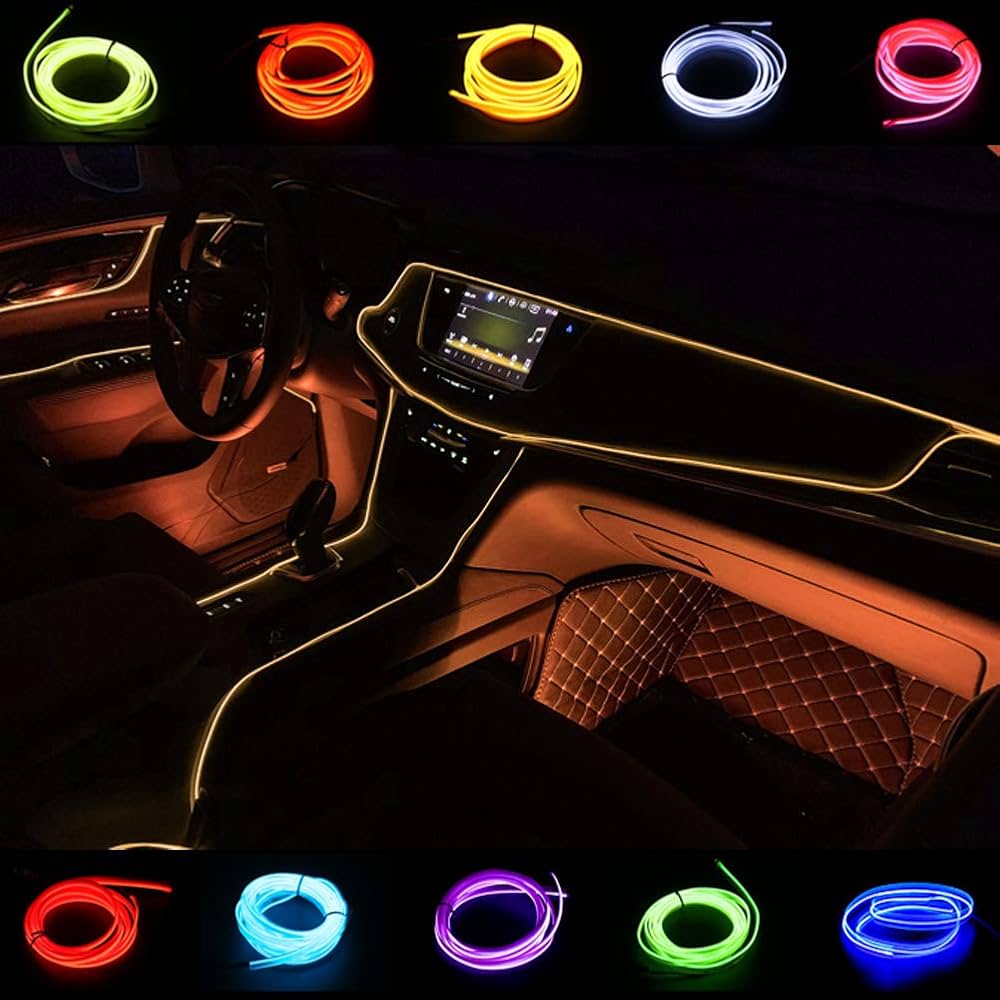
Interior lighting has also seen a dramatic evolution thanks to LEDs. Ambient lighting systems can now be integrated throughout the cabin, allowing drivers and passengers to personalize their environment with adjustable colors and intensities. This attention to interior design enhances comfort and creates a sense of luxury, even in more affordable vehicles. The combination of functional and aesthetic benefits underscores why automotive LED lighting manufacturers play a pivotal role in the future of vehicle design.
Advanced Features Driving the Future of Automotive LEDs
The next generation of automotive LED technology promises to introduce even more advanced features. Matrix LED headlights, for example, use multiple small LEDs to create precise light patterns that adapt in real-time. These systems can selectively illuminate specific areas of the road while avoiding glare for other drivers, offering unparalleled precision and safety. Laser-assisted LED systems are another emerging technology that can extend the range of headlights while maintaining energy efficiency.
Moreover, connected vehicle technologies are expected to integrate with LED lighting systems to enhance communication between vehicles. For instance, LED signals could convey warnings or intentions to nearby vehicles or pedestrians, contributing to smarter and safer urban mobility. Automotive LED lighting manufacturers are at the forefront of these innovations, developing solutions that combine cutting-edge electronics, software, and optics to redefine the driving experience.
Challenges and Considerations
Despite its advantages, the widespread adoption of LED lighting also presents certain challenges. One of the primary concerns is cost. High-quality LED systems are more expensive to manufacture than traditional lighting solutions, which can impact vehicle pricing. However, the long-term benefits in terms of energy savings, durability, and safety often justify the initial investment.
Another consideration is heat management. Although LEDs are more efficient than conventional bulbs, they still generate heat that must be effectively dissipated to maintain performance and longevity. Automotive LED lighting manufacturers address this through advanced thermal management systems, including heat sinks and specialized materials that prevent overheating. Proper design ensures that LEDs continue to perform reliably under various operating conditions.
Conclusion
The future of automotive LED lighting is bright, offering a perfect blend of safety, efficiency, and style. As automotive LED lighting manufacturers continue to innovate, vehicles will become not only more visually striking but also safer and more environmentally friendly. From adaptive headlights to customizable interior lighting, LEDs are redefining how drivers experience the road.
By embracing these technological advancements, the automotive industry is setting new standards for performance, design, and sustainability. The collaboration between manufacturers, designers, and engineers ensures that LED lighting will remain a cornerstone of modern vehicles for years to come. As innovation continues to accelerate, drivers can look forward to a future where vehicles are smarter, safer, and more stylish than ever before, thanks to the transformative power of LED technology.
Automotive LED lighting manufacturers will continue to shape this future, driving innovation that enhances both the functional and aesthetic aspects of vehicles. Their contributions ensure that the journey ahead is not only illuminated but also safer, greener, and visually captivating.