
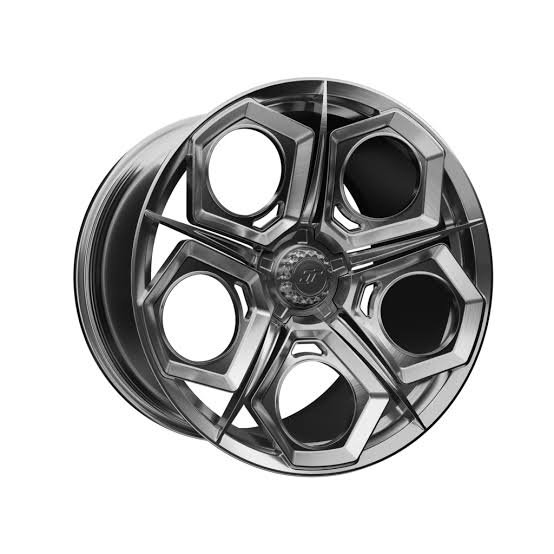
Choosing the right wheels can completely change the appearance, handling, and overall driving experience of a vehicle. Among the many wheel options available custom forged wheels today, custom forged wheels are highly popular with car enthusiasts who want a combination of lightweight construction, strength, and personalized styling. Unlike standard cast wheels, forged wheels are manufactured from high-quality aluminum that is shaped under extreme pressure, creating a strong and refined product.
If you are considering upgrading your vehicle, it is important to understand what you are buying before making a decision. From fitment and sizing to finishes and maintenance, several factors can affect your experience. Here are 10 important things to know before buying custom forged wheels.
Understand What Forged Wheels Are
The first thing to understand is how forged wheels differ from other types of wheels. Forged wheels are generally manufactured from a solid piece of aluminum, which is compressed and shaped using high pressure and heat. This process creates a dense wheel structure with excellent strength-to-weight characteristics.
Because of their manufacturing process, forged wheels can be designed to be lighter and stronger than many conventional cast wheels. This makes them attractive to drivers who care about performance as well as appearance.
Choose the Correct Wheel Size
Wheel size is one of the most important factors when purchasing custom wheels. A larger diameter may create a more aggressive appearance, but it must still be compatible with your vehicle.
Consider the wheel diameter, width, and tire size together. Increasing the wheel size without considering tire specifications or suspension clearance can cause rubbing or negatively affect driving characteristics.
Before ordering, check your vehicle manufacturer’s specifications and confirm the recommended dimensions with a qualified wheel professional.
Check the Bolt Pattern
Every vehicle has a specific bolt pattern, and your wheels must match it correctly. The bolt pattern includes the number of lug holes and the diameter of the circle formed by those holes.
For example, two vehicles may use five-lug wheels but have different bolt-circle measurements. Simply matching the number of holes is therefore not enough.
Always verify your vehicle’s exact bolt pattern before purchasing custom forged wheels. Incorrect fitment can create serious installation and safety problems.
Pay Attention to Offset
Wheel offset determines how far the wheel sits inward or outward relative to the vehicle’s hub. It is usually measured in millimeters and can significantly affect fitment.
A suitable offset helps ensure that the wheel sits correctly inside the wheel arch without interfering with suspension components, brake parts, or the fender.
An aggressive offset can provide a wider stance, but it should be selected carefully. Your vehicle’s suspension setup, tire dimensions, and intended use should all be considered before choosing an offset.
Consider Brake Clearance
Performance vehicles often have large brake calipers and rotors, which means not every wheel will provide sufficient clearance.
When upgrading to custom wheels, make sure the wheel’s internal design provides enough room for your vehicle’s braking system. This is particularly important if your car has upgraded or aftermarket brakes.
Wheel manufacturers can often provide brake-clearance information or recommend suitable designs for specific vehicles.
Decide on a Custom Design
One of the biggest advantages of custom forged wheels is the ability to personalize their appearance. Depending on the manufacturer, you may be able to choose different spoke designs, widths, diameters, lip styles, and other details.
Think about the overall style of your vehicle before selecting a design. A simple multi-spoke design may create a sophisticated appearance, while a more aggressive design can give a performance-oriented look.
Custom wheels should complement the vehicle rather than overwhelm its existing design.
Select the Right Finish
The finish is another important part of customizing your wheels. Common options include gloss, satin, matte, metallic, brushed, and polished finishes.
Some manufacturers also offer custom colors or combinations that allow owners to create a distinctive appearance.
When choosing a finish, consider how much maintenance you are willing to perform. Certain finishes may show brake dust, dirt, or scratches more easily than others.
A high-quality finish can also help protect the wheel surface from everyday environmental exposure.
Think About Weight and Performance
Wheel weight can influence how a vehicle feels on the road. Lightweight wheels can reduce unsprung mass, which may help improve steering response, acceleration, braking feel, and suspension behavior.
However, the lightest possible wheel is not automatically the best choice. The wheel must still be appropriately engineered for the vehicle and its intended use.
If you regularly drive on rough roads, participate in track events, or use your vehicle for long-distance travel, tell the manufacturer how you intend to use the wheels. This can help ensure you choose an appropriate specification.
Consider Tire Compatibility
Your wheels and tires work together, so choosing wheels without considering tires can create unnecessary problems.
Before ordering, determine which tire sizes are compatible with your selected wheel dimensions. Tire width, sidewall height, load rating, and performance characteristics all matter.
If you are changing wheel diameter, you may also need to select a different tire profile to maintain an appropriate overall tire diameter.
A professional installer can help you choose a wheel-and-tire combination that maintains proper clearance and suitable driving characteristics.
Buy From a Reliable Manufacturer
The quality of the manufacturer is just as important as the wheel’s appearance. Because forged wheels can be a significant investment, buyers should look for a company with a strong reputation for engineering, manufacturing quality, and customer support.
Ask about the materials used, manufacturing process, testing standards, load ratings, warranty coverage, and available fitments.
Avoid choosing wheels based solely on low price. High-quality custom forged wheels require careful engineering and precision manufacturing. Paying attention to quality can provide greater confidence in their durability and performance.
Final Thoughts
Buying custom wheels is an exciting way to personalize your vehicle, but it should not be a decision based on appearance alone. Wheel size, bolt pattern, offset, brake clearance, weight, tire compatibility, finish, and manufacturing quality all play important roles in choosing the right product.
Custom forged wheels can provide an excellent combination of style, personalization, and performance when they are correctly specified for your vehicle. Before placing an order, take the time to confirm your vehicle’s measurements and discuss your requirements with a reputable wheel specialist.
Whether you want a subtle luxury appearance or an aggressive performance-inspired look, carefully selected forged wheels can make your vehicle stand out while providing a high-quality upgrade for your driving experience.