
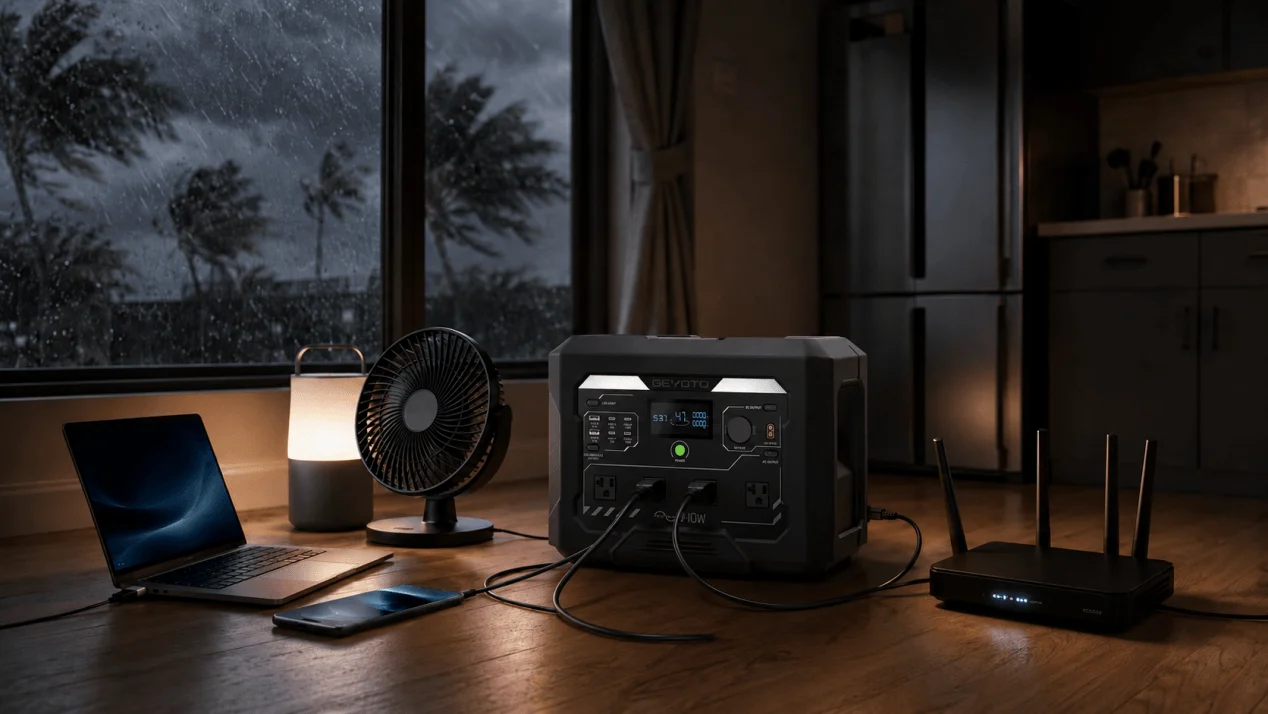
When preparing for severe weather, one of the most important questions homeowners ask is what size generator for hurricane conditions is suitable for their needs. Hurricanes can cause long-lasting power outages, leaving homes without essential electricity for lighting, refrigeration, communication devices, medical equipment, and other critical systems. Choosing the correct generator size ensures reliable backup power without wasting money on a unit that is either too small or unnecessarily large.
A hurricane can bring strong winds, flooding, and widespread damage to electrical infrastructure. Since power restoration may take hours or even days, having a properly sized generator provides security and convenience during emergencies. Understanding your energy requirements, appliance wattage, and generator capacity is the first step toward making the right decision.
Understanding Generator Size and Power Requirements
Generator size is measured in watts or kilowatts (kW). The capacity you need depends on the number of appliances and systems you want to operate during a hurricane outage. A small portable generator may be enough for basic necessities, while a larger standby generator may be required to power an entire home.
When determining what size generator for hurricane situations, homeowners should first create a list of essential devices they want to keep running. Common items include refrigerators, freezers, lights, fans, internet equipment, sump pumps, security systems, and medical devices. Some homes may also need power for heating or cooling systems, which usually require significantly more electricity.
Generators have two important power ratings: running watts and starting watts. Running watts refer to the continuous power needed to keep appliances operating, while starting watts are the extra power required when motors first turn on. Devices such as air conditioners, refrigerators, and pumps often require higher starting wattage, so this factor must be considered when selecting a generator.
Choosing the Right Generator Size for Hurricane Emergencies
The answer to what size generator for hurricane depends on your specific energy needs. Different generator sizes serve different purposes.
A small portable generator between 1,000 and 3,000 watts can support basic emergency needs. These generators are useful for charging phones, powering lights, running small appliances, and maintaining communication equipment. They are affordable and easy to transport but cannot handle larger household systems.
A medium-sized generator ranging from 4,000 to 7,500 watts can power more essential household appliances. Many homeowners choose this range because it can typically operate a refrigerator, freezer, lights, fans, and several smaller devices at the same time. Some models may also support a window air conditioner or limited heating equipment.
A large portable generator or standby generator between 8,000 and 15,000 watts is better suited for homes that require more complete backup power. These generators can often support major appliances, HVAC systems, water pumps, and multiple electrical circuits. They provide greater comfort during extended hurricane-related outages.
For whole-house power, many homeowners choose standby generators above 15,000 watts. These systems are permanently installed and automatically turn on when the power goes out. They are designed to provide seamless backup electricity and are commonly used in areas where hurricanes frequently cause outages.
Calculating Your Home’s Electricity Needs
To determine what size generator for hurricane preparation is best, calculate the total wattage of the appliances you plan to run. Start by identifying each appliance’s running watts and starting watts. This information is usually listed on the appliance label or manufacturer’s documentation.
For example, a refrigerator may require around 700 running watts but need additional power when the compressor starts. A microwave may use approximately 1,000 watts, while lights and small electronics may require several hundred watts combined. An air conditioner can require several thousand watts depending on its size and efficiency.
Add the running watts of all essential devices, then identify the highest starting wattage requirement. The generator should have enough capacity to handle both normal operation and temporary power surges. Choosing a generator with slightly more capacity than your calculated needs is often recommended because it provides flexibility and prevents overloading.
Portable Generators vs Standby Generators for Hurricanes
When deciding what size generator for hurricane emergencies, it is also important to choose between portable and standby options. Portable generators are popular because they are less expensive and can be moved where needed. They are suitable for temporary outages and can provide power for essential appliances.
However, portable generators require manual setup and refueling. They must be operated safely outdoors because they produce carbon monoxide, a dangerous gas. Proper ventilation and safe placement are essential during hurricane recovery periods.
Standby generators offer a more convenient solution. They are installed permanently outside the home and automatically provide backup power when an outage occurs. These systems can run on natural gas or propane and are designed for longer operation. Although they cost more initially, they provide greater reliability for homeowners living in hurricane-prone regions.
Factors That Affect Generator Size Selection
Several factors influence the correct generator size beyond basic appliance usage. The size of your home, climate conditions, and personal comfort preferences all play a role. A small home with minimal electricity needs may only require a medium portable generator, while a larger home with central air conditioning may need a high-capacity standby system.
Fuel availability is another important consideration. During hurricanes, fuel supplies can become limited, so choosing an efficient generator and storing fuel safely can make a significant difference. Some homeowners prefer dual-fuel generators because they can operate using more than one fuel source.
The age and efficiency of your appliances also affect energy requirements. Modern energy-efficient appliances typically use less power compared to older models. Upgrading certain devices before hurricane season may reduce the generator capacity you need.
Safety Tips When Using a Hurricane Generator
Safety should always be a priority when operating a generator during a storm-related outage. Never use a portable generator inside a house, garage, basement, or enclosed area because carbon monoxide buildup can be fatal. Always place the generator outdoors in a dry, well-ventilated location away from windows and doors.
Use heavy-duty extension cords designed for generator use, and avoid connecting a portable generator directly to home wiring unless a proper transfer switch has been installed by a qualified professional. Improper connections can create dangerous conditions for both homeowners and utility workers.
Regular maintenance is also essential. Test your generator before hurricane season, check oil levels, inspect fuel supplies, and ensure all components are functioning correctly. A generator that is properly maintained is more likely to perform when you need it most.
Preparing Before Hurricane Season
The best time to decide what size generator for hurricane protection is before a storm approaches. Waiting until a hurricane warning is issued may limit your choices because generators and fuel supplies often sell out quickly.
Create an emergency power plan that includes your essential appliances, fuel storage strategy, and generator maintenance schedule. Knowing your power requirements ahead of time allows you to select the right equipment and avoid unnecessary stress during emergencies.
A properly sized generator can make hurricane recovery much easier by keeping essential systems running and helping your household remain safe and comfortable. Whether you choose a portable unit for basic needs or a standby generator for full-home backup, understanding your electricity requirements is the key to making a smart investment.