
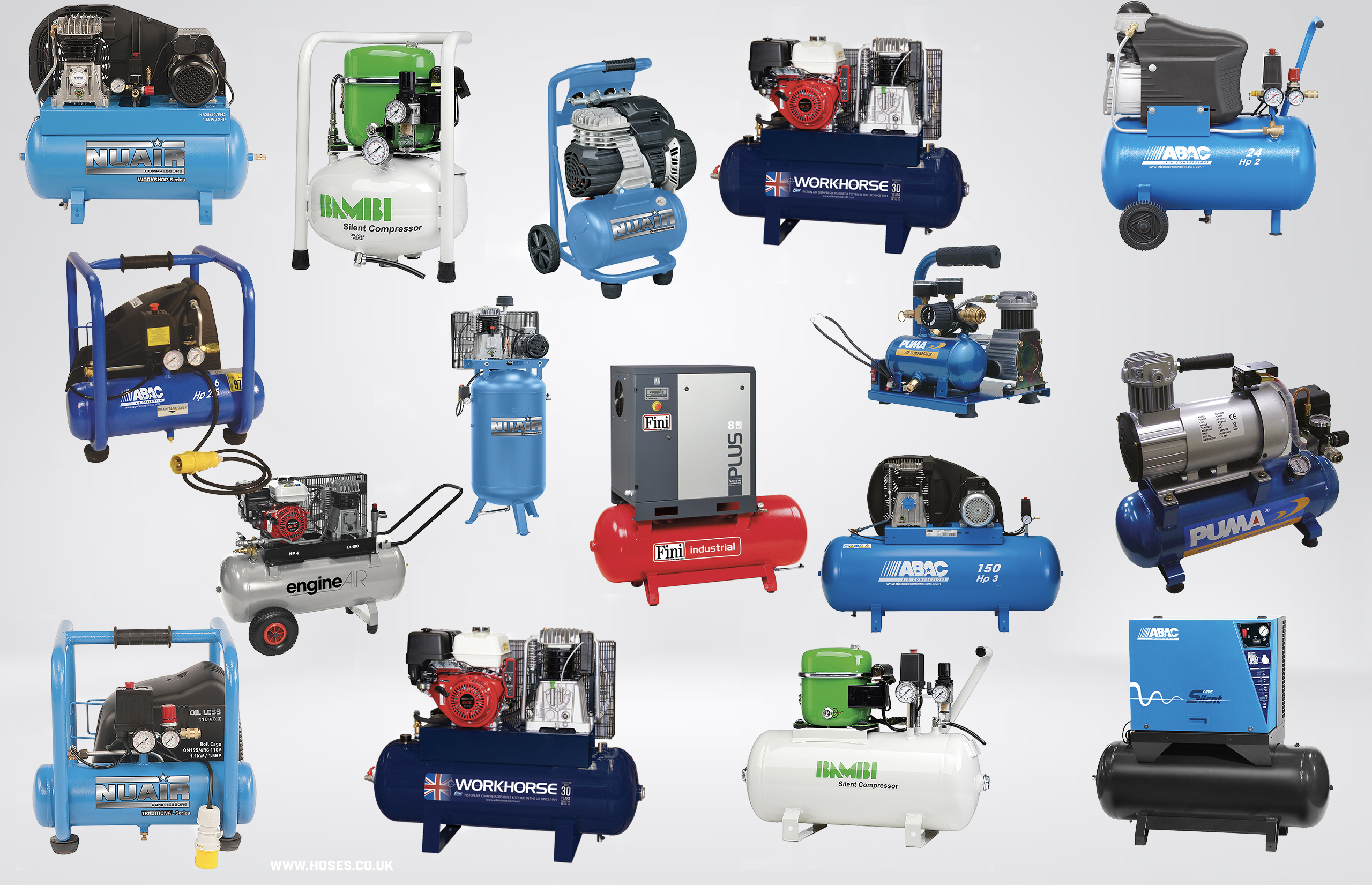
Fleet maintenance is one of the most critical aspects of running a transportation or logistics business. Whether you operate delivery trucks, buses, or service vehicles, ensuring that your fleet is in optimal condition can significantly affect both operational efficiency and overall costs. One tool that has become indispensable for fleet managers is the air compressor for fleet maintenance. Using this equipment strategically can help your company save both time and money while keeping vehicles safe and reliable.
The Role of an Air Compressor in Fleet Maintenance
An air compressor for fleet maintenance is designed to provide a steady and reliable source of compressed air, which can be used for various tasks such as inflating tires, operating pneumatic tools, and cleaning components. Unlike traditional maintenance methods, using an air compressor allows technicians to perform tasks quickly, efficiently, and with greater precision.
For companies managing large fleets, this efficiency is critical. A single breakdown or maintenance delay can have a cascading effect on delivery schedules, employee hours, and client satisfaction. Investing in a high-quality air compressor ensures that fleet maintenance is consistent and reduces the likelihood of unexpected vehicle downtime.
Reducing Maintenance Time with Compressed Air Tools
Time is money in fleet operations. Mechanics often spend a considerable amount of time manually tightening bolts, changing tires, or cleaning vehicle parts. With an air compressor for fleet maintenance, these tasks can be completed significantly faster. Pneumatic tools powered by compressed air can perform functions that would take twice as long with manual tools.
For example, changing a large truck tire manually can take up to an hour. Using an air impact wrench powered by an air compressor can reduce this time to just a few minutes. Over weeks and months, the cumulative time savings translate into lower labor costs and more vehicles staying on the road instead of in the shop.
Minimizing Vehicle Downtime
Vehicle downtime is one of the biggest hidden costs in fleet operations. Each day a vehicle is out of service represents lost revenue and operational inefficiency. An air compressor for fleet maintenance helps reduce downtime by enabling quicker inspections, repairs, and preventative maintenance.
With easy access to compressed air, technicians can conduct routine checks such as tire pressure adjustments, brake inspections, and suspension maintenance more efficiently. Preventative maintenance performed with the right tools ensures that small issues do not escalate into costly repairs or breakdowns, keeping the fleet operational and productive.
Cost Savings Through Efficient Maintenance
While purchasing an air compressor for fleet maintenance requires an initial investment, the long-term cost savings are significant. By speeding up maintenance tasks and reducing downtime, companies can save on labor costs and avoid expensive emergency repairs. Additionally, properly maintained vehicles tend to consume less fuel and experience fewer breakdowns, further lowering operational costs.
For example, underinflated tires increase fuel consumption and wear out faster. With a reliable air compressor on hand, tire pressure can be monitored and adjusted regularly, optimizing fuel efficiency and extending tire life. This proactive approach prevents unnecessary expenditures on replacements and fuel, offering a strong return on investment.
Enhancing Safety and Compliance
Fleet safety is paramount, and compliance with regulations is non-negotiable. Using an air compressor for fleet maintenance allows maintenance teams to perform tasks more accurately and safely. Properly inflated tires, securely fastened components, and clean air filters all contribute to safer vehicles on the road.
Regulatory compliance often requires documentation of regular vehicle maintenance. An air compressor simplifies inspections and servicing, making it easier to maintain accurate records. This reduces the risk of fines, penalties, and accidents, protecting both employees and the company’s reputation.
Supporting Multiple Maintenance Functions
One of the advantages of an air compressor for fleet maintenance is its versatility. Beyond tire inflation and powering tools, compressed air can be used for cleaning engine parts, drying components, and operating paint sprayers or other pneumatic equipment. This multifunctionality reduces the need for multiple separate machines, saving space and reducing equipment costs.
For fleets operating across multiple vehicle types, having a central air compressor allows a single maintenance station to handle tasks for trucks, vans, and smaller vehicles efficiently. This centralized approach enhances workflow, reduces clutter, and streamlines operations.
Choosing the Right Air Compressor for Your Fleet
Not all air compressors are created equal, and selecting the right one is crucial. Fleet managers should consider the size of their fleet, the types of vehicles serviced, and the specific tasks that need to be completed. Industrial-grade compressors with high CFM (cubic feet per minute) ratings are ideal for larger fleets and heavy-duty tasks, while smaller, portable units may suffice for light-duty vehicles.
Investing in a reliable, durable air compressor for fleet maintenance ensures long-term performance, minimal downtime, and consistent maintenance results. Additionally, modern compressors often come with energy-efficient designs, reducing electricity costs while providing ample power for daily operations.
Training and Efficiency
Even the best equipment cannot deliver its full potential without proper training. Maintenance teams should be trained to use air compressors and pneumatic tools effectively and safely. This includes understanding optimal air pressure settings, maintenance schedules for the compressor itself, and safe handling of tools.
When staff are well-trained, an air compressor for fleet maintenance becomes more than just a tool—it becomes a productivity multiplier. Tasks are completed faster, mistakes are minimized, and overall maintenance quality improves, translating directly into time and cost savings.
Long-Term Benefits for Fleet Management
Integrating an air compressor for fleet maintenance into your operations is not just about immediate gains. Over time, the efficiency, safety, and cost-effectiveness it provides can enhance the entire fleet management strategy. Reliable maintenance reduces unexpected breakdowns, increases vehicle lifespan, improves fuel efficiency, and optimizes labor allocation.
Additionally, well-maintained vehicles enhance customer satisfaction, as deliveries and services are more likely to be on schedule. This indirectly boosts revenue and strengthens the company’s market reputation.
Conclusion
For businesses managing fleets of any size, an air compressor for fleet maintenance is a powerful investment. From speeding up routine maintenance tasks to reducing vehicle downtime and enhancing safety, compressed air technology provides measurable time and cost savings. By choosing the right compressor, training staff properly, and integrating it into daily operations, companies can achieve more efficient fleet management and a healthier bottom line.
Investing in an air compressor is not just about maintaining vehicles—it’s about improving operational efficiency, reducing expenses, and ensuring the long-term reliability of your fleet. In today’s competitive landscape, these advantages can make a significant difference to your company’s success.