
Introduction
Raising rare chicken breeds has become an exciting interest for poultry enthusiasts, small-scale farmers, and backyard chicken keepers. Among the many unusual breeds available, the Ayam Cemani stands out ayam cemani eggs because of its striking appearance, distinctive characteristics, and growing popularity among collectors. Originating in Indonesia, this rare chicken breed is recognized for its remarkable black pigmentation, which extends across much of its body. Its eggs have also attracted attention from people interested in breeding unusual poultry and expanding their flocks.
Understanding the value of Ayam Cemani eggs involves more than considering their rarity or purchase price. Buyers should learn about the breed’s characteristics, egg production, breeding requirements, hatchability, and long-term care. With proper knowledge and responsible management, raising Ayam Cemani chickens can become a rewarding experience for poultry enthusiasts.
What Makes Ayam Cemani Chickens Unique?
Ayam Cemani chickens originated in Indonesia, where they have long been admired for their unusual appearance. Their black feathers, skin, beaks, combs, and legs create a distinctive look that separates them from many other chicken breeds. This pigmentation results from a genetic condition called fibromelanosis, which causes extensive pigmentation in various tissues.
Despite their dark exterior, Ayam Cemani chickens are ordinary domestic chickens in terms of their basic biological needs. They require nutritious feed, clean water, suitable shelter, and protection from predators. Their unusual appearance does not eliminate the importance of routine poultry care.
The breed’s rarity and distinctive characteristics have helped establish its reputation among poultry collectors. However, the quality, health, and genetic background of individual birds can vary. Anyone interested in raising these chickens should prioritize healthy breeding stock rather than selecting birds based exclusively on appearance.
Understanding the Value of Ayam Cemani Eggs
Ayam Cemani eggs can attract higher prices than eggs from common chicken breeds, particularly when they come from reputable breeders with documented breeding lines. Their value is influenced by availability, demand, breeder reputation, flock quality, and the purpose for which the eggs are purchased.
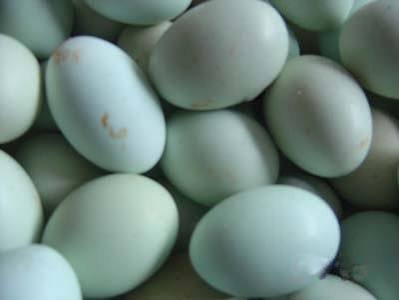
One important point is that Ayam Cemani hens do not lay black eggs. Their eggs are generally cream-colored, tinted, or light brown, depending on the individual hen and breeding line. This is a common misconception among people discovering the breed for the first time.
For breeders, fertile Ayam Cemani eggs may offer an opportunity to expand an existing flock or introduce rare poultry genetics into a breeding program. Hobbyists may also purchase them to experience hatching and raising a distinctive chicken breed.
Nevertheless, a high asking price does not automatically mean that eggs are fertile, genetically superior, or likely to hatch successfully. Buyers should evaluate the breeder’s reputation, flock health, egg handling practices, and available documentation before making a purchase.
Egg Production and Breeding Characteristics
Ayam Cemani chickens are not generally selected for maximum commercial egg production. Instead, they are often raised for their rarity, appearance, and breeding potential. Their egg production may vary according to age, diet, genetics, housing conditions, season, and overall health.
Hens need a balanced diet containing appropriate levels of protein, energy, vitamins, and minerals to support egg production. Calcium is particularly important for forming strong eggshells. Clean drinking water should always be available because inadequate water intake can negatively affect laying performance.
Breeding birds should be healthy, mature, and free from obvious signs of illness. A suitable rooster-to-hen ratio, sufficient space, and low-stress housing can help support successful reproduction. Breeders should also avoid mating closely related birds repeatedly, as excessive inbreeding can increase the risk of inherited health problems.
Maintaining accurate records of parentage, egg production, fertility, hatch rates, and chick development can help breeders make informed decisions. These records are especially valuable when working with a relatively uncommon breed.
Choosing Quality Ayam Cemani Hatching Eggs
Selecting good hatching eggs is an important step for anyone hoping to raise Ayam Cemani chicks. Although no egg can guarantee a successful hatch, careful selection and handling can improve the chances of achieving satisfactory results.
Look for eggs that have clean, intact shells without visible cracks, unusual deformities, or significant damage. Eggs should come from healthy breeding birds kept in appropriate conditions. A reputable seller should be willing to explain the flock’s background and describe how the eggs are collected, stored, and prepared for shipping.
Transportation is another important consideration. Rough handling, temperature fluctuations, and extended delays can reduce hatchability. Buyers should ask how eggs are packaged and whether the seller provides clear guidance for receiving and handling them.
It is also useful to understand the difference between table eggs and hatching eggs. Table eggs are intended for consumption, whereas hatching eggs must be fertile and handled with embryo development in mind. Even properly selected fertile eggs may fail to hatch, so realistic expectations are essential.
Incubation and Hatching Considerations
Successful hatching requires consistent environmental conditions and careful attention throughout incubation. A suitable incubator should maintain the temperature and humidity recommended for chicken eggs by its manufacturer and established poultry guidance. Eggs also need appropriate turning during the relevant stages of development.
Before beginning, breeders should clean and prepare the incubation area according to the equipment instructions. The incubator should be checked for stable operating conditions, and a reliable thermometer and humidity monitor can help identify problems.
Chicken eggs typically take around 21 days to hatch, although individual results may vary. During incubation, candling can help breeders assess embryo development and identify eggs that appear infertile or have stopped developing. This should be performed carefully to minimize unnecessary handling.
When chicks begin hatching, patience is important. Opening the incubator too frequently can disrupt humidity and make hatching more difficult for other chicks. After hatching, chicks need a warm, secure brooder, clean water, suitable chick starter feed, and protection from drafts.
Beginners may benefit from learning basic incubation techniques with guidance from an experienced poultry keeper before investing heavily in rare hatching eggs.
Caring for Ayam Cemani Chickens
Raising Ayam Cemani chickens successfully requires the same attention to welfare expected for any domestic poultry breed. Their housing should provide adequate ventilation, dry bedding, protection from extreme weather, and sufficient room for natural behaviors such as scratching, dust bathing, and roosting.
Predator protection is particularly important for backyard flocks. Secure fencing, covered runs where appropriate, and safe nighttime housing can reduce the risk of losses. Feeders and drinkers should be positioned to minimize contamination and allow all birds reasonable access.
Nutrition should change as chickens mature. Growing chicks need an appropriate starter ration, while older birds require feed formulated for their stage of development. Laying hens generally benefit from a balanced layer ration that supplies sufficient calcium and other essential nutrients.
Routine observation can help identify problems early. Reduced appetite, unusual behavior, respiratory symptoms, changes in droppings, or a sudden decline in egg production may indicate a health issue. A qualified poultry veterinarian can provide guidance when illness is suspected.
Good biosecurity practices are equally important. New birds should be quarantined appropriately before joining an established flock, and equipment should be cleaned regularly to reduce disease transmission.
Is Raising Ayam Cemani Eggs Worth the Investment?
Whether Ayam Cemani eggs are worth the investment depends on the buyer’s goals, available resources, and willingness to manage the responsibilities of poultry keeping. Collectors may appreciate the opportunity to raise a distinctive breed, while breeders may focus on maintaining healthy birds and developing reliable breeding lines.
However, rare poultry can involve higher initial expenses than common breeds. Costs may include hatching eggs, incubators, brooders, feed, housing, veterinary care, and replacement equipment. Some eggs may not hatch, and young birds may require considerable time before they become mature breeding stock.
Anyone considering selling future chicks or breeding birds should research local demand rather than assuming that rarity guarantees profit. Prices can fluctuate, and maintaining healthy breeding stock requires ongoing investment.
Responsible breeders should also be transparent about the source of their eggs, avoid unsupported claims about genetics, and provide buyers with realistic information about expected outcomes. Long-term success depends on animal welfare, sound management, and trustworthy business practices.
Common Mistakes to Avoid
New Ayam Cemani enthusiasts can make several avoidable mistakes when purchasing and raising hatching eggs. One common error is assuming that all expensive eggs are high quality. Price alone does not establish fertility, hatchability, or genetic quality.
Another mistake is believing that Ayam Cemani eggs are naturally black. Their shells are generally light-colored, so buyers should be cautious of sellers making unusual color claims without reliable evidence.
Poor incubation conditions, inadequate chick nutrition, overcrowded housing, and insufficient predator protection can also undermine an otherwise promising breeding project. Purchasing too many eggs before gaining practical experience may create unnecessary expense and management challenges.
A better approach is to begin with a manageable number of eggs, select a reputable breeder, prepare the necessary equipment, and learn the fundamentals of poultry care before expanding the flock.
Conclusion
Raising rare chickens can be a rewarding pursuit, and Ayam Cemani eggs offer poultry enthusiasts an opportunity to explore one of the most distinctive domestic chicken breeds. Their value comes from a combination of rarity, breeding interest, demand, and the quality of the birds from which they originate.
However, successful poultry keeping requires more than purchasing expensive eggs. Understanding egg characteristics, selecting reliable breeders, maintaining appropriate incubation conditions, and providing excellent care for growing chicks are all essential parts of the process.
For anyone interested in Ayam Cemani chickens, informed purchasing decisions and responsible breeding practices provide the strongest foundation for long-term success. By focusing on flock health, accurate information, and proper animal welfare, poultry keepers can enjoy raising these unusual birds while contributing to the responsible preservation of rare chicken breeds.