
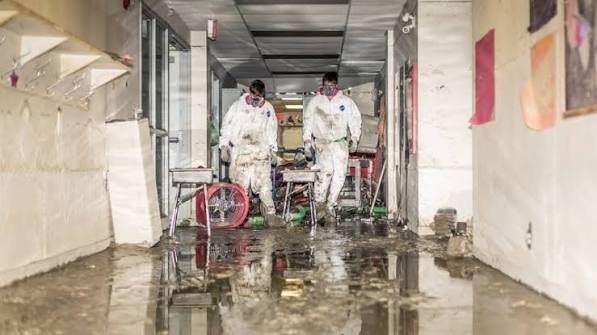
Unexpected disasters can cause serious damage to homes, commercial buildings, and personal belongings. From flooding and fire damage to severe storms, sewage backups, and other hazardous situations, these events disaster cleanup service can disrupt daily routines and create significant challenges for property owners. Recovering from such incidents often requires more than ordinary cleaning. A professional disaster cleanup service provides specialized support to help restore affected properties, address safety concerns, and make spaces suitable for use again.
Understanding how disaster cleanup professionals work can help homeowners and business owners make informed decisions when an emergency occurs. With the right expertise, equipment, and restoration strategy, property owners can approach recovery with greater confidence and a clearer plan.
Understanding the Role of a Professional Disaster Cleanup Service
A disaster cleanup service helps property owners manage the aftermath of unexpected events that damage buildings or create unsafe conditions. These professionals assess the affected areas, identify potential hazards, remove damaged materials when necessary, and coordinate appropriate cleaning and restoration activities.
Different disasters require different approaches. Water damage may involve moisture removal and structural drying, while fire incidents can leave behind smoke residue, soot, and persistent odors. Storm damage may introduce debris, damaged roofing, and water intrusion. Some situations may also involve contaminated materials that require specialized handling.
Professional cleanup teams evaluate the nature and extent of the damage before deciding which procedures are appropriate. This organized approach helps prevent overlooked problems and supports a more effective restoration process.
Rapid Response Helps Limit Further Property Damage
Time plays an important role in disaster recovery. When water enters a building, for example, moisture can spread into flooring, walls, insulation, and furniture. If affected materials remain wet, the risk of mold growth and additional deterioration may increase.
A prompt response from a disaster cleanup service can help reduce these secondary problems. Professionals assess immediate concerns, identify areas requiring urgent attention, and prioritize work according to the property’s condition.
In commercial buildings, rapid cleanup can also help reduce interruptions to business operations. Damaged offices, retail spaces, warehouses, and hospitality facilities may need timely attention to protect remaining assets and support reopening.
Although every disaster is different, early professional assessment helps property owners understand which actions should take priority and which repairs may require additional specialists.
Comprehensive Assessment and Damage Evaluation
Before restoration begins, professionals generally inspect the affected property to understand the extent of the damage. This assessment may include examining visible structural problems, identifying moisture intrusion, documenting damaged contents, and recognizing possible environmental hazards.
A thorough evaluation helps establish a practical recovery plan. It also allows property owners to understand which areas may be restored through cleaning and repair and which materials might need replacement.
For example, a property affected by a plumbing failure may require water extraction, moisture monitoring, and drying. A building affected by a fire may need soot removal, odor treatment, and an evaluation of damaged surfaces. Severe storm damage might require debris removal and coordination with roofing or structural repair specialists.
Clear documentation can also be useful when communicating with insurance providers. Photographs, inspection notes, and itemized damage records may help support the claims process, although coverage depends on the individual policy.
Specialized Equipment Improves Cleanup Efficiency
Disaster restoration often requires equipment that is not commonly available to homeowners or ordinary cleaning crews. Depending on the incident, professional teams may use commercial water extractors, air movers, dehumidifiers, HEPA-filtered equipment, and specialized cleaning products.
These tools support different stages of recovery. Water extraction equipment removes standing water, while air movers and dehumidifiers help manage moisture during structural drying. Appropriate filtration equipment may help control airborne particles during certain restoration activities.
Professionals also select cleaning methods according to the affected materials and the type of contamination involved. Using an unsuitable product or technique can damage surfaces or leave hazards unresolved.
Equipment alone does not guarantee successful restoration. Proper assessment, training, and correct application are equally important. Experienced technicians understand how to adapt their methods to different property conditions while following relevant safety requirements.
Protecting Health and Safety During Cleanup
Disaster scenes may contain hazards that are difficult to recognize without appropriate training. These can include contaminated water, electrical dangers, unstable building materials, smoke residue, mold, or biological contaminants.
A professional disaster cleanup service evaluates these risks before beginning work and establishes suitable precautions. Depending on the situation, this may involve restricting access, using protective equipment, isolating affected areas, or arranging specialized remediation.
Biohazard incidents require particular care because contaminated materials can present health risks if handled improperly. In these cases, qualified specialists follow applicable regulations and established procedures for cleaning, disinfection, waste handling, and safe disposal.
Property owners should avoid entering visibly unstable areas or attempting to handle unknown hazardous materials themselves. When serious hazards are present, trained professionals can help determine the safest way to proceed.
Restoring Homes After Unexpected Disasters
For homeowners, a disaster can affect much more than the physical structure of a house. Damaged furniture, personal belongings, family photographs, and essential household spaces can make recovery emotionally and practically difficult.
A professional cleanup team helps organize the process by identifying salvageable items, removing debris, addressing affected surfaces, and preparing the property for necessary repairs. Depending on the damage, restoration may also involve flooring replacement, drywall repairs, painting, or coordination with licensed contractors.
Communication is especially important during residential restoration. Homeowners benefit from understanding the work schedule, expected next steps, and any restrictions that may remain in place during cleanup.
Not every item can be saved, and some structural components may require replacement. However, a careful assessment can help distinguish between materials that can be restored and those that cannot be safely retained.
By addressing the damage systematically, cleanup professionals help families move toward a safe and functional living environment.
Helping Businesses Recover and Resume Operations
Disasters can create financial pressure for business owners by interrupting services, damaging inventory, affecting equipment, and preventing employees or customers from accessing the premises.
A professional disaster cleanup service can help businesses prioritize recovery activities according to operational needs. For example, a retail store may need damaged stock removed and customer areas cleaned, while an office may require moisture control, equipment assessment, and repairs to workspaces.
Warehouses, restaurants, healthcare facilities, and manufacturing environments may have additional requirements involving sanitation, inventory protection, or industry-specific safety procedures.
Professional cleanup teams can coordinate their work with property managers, insurers, contractors, and business representatives to support a more organized recovery. In some circumstances, restoration can be completed in stages so that unaffected areas remain usable, provided doing so is safe and appropriate.
A carefully planned restoration process may help limit downtime and support the return to normal business activities.
Preventing Secondary Damage Through Proper Restoration
Visible damage is not always the only problem after a disaster. Moisture trapped behind walls, smoke residue in hidden areas, or contamination left on affected surfaces may continue to create problems after the initial cleanup.
Professional restoration focuses on identifying these less obvious concerns. Depending on the incident, technicians may monitor moisture levels, inspect building materials, clean affected surfaces, or recommend further specialist evaluations.
Preventing secondary damage is particularly important after water-related incidents. Simply removing standing water may not be enough if damp materials remain inside the building. Likewise, removing visible soot does not necessarily eliminate smoke-related residue or odors throughout a property.
Proper drying, appropriate cleaning, and verification of completed work help support long-term restoration. Property owners should ask service providers how they assess completion and whether additional inspections or repairs are recommended.
Choosing the Right Disaster Cleanup Company
Selecting a qualified restoration provider is an important part of property recovery. Property owners should look for relevant experience, appropriate training, suitable insurance, and a clear explanation of the services offered.
It is also helpful to ask whether the company handles the specific type of damage involved or works with qualified specialists when additional expertise is necessary. Some incidents require services beyond general cleanup, including structural engineering, electrical repairs, or regulated hazardous-material remediation.
Before authorizing major work, request a written scope of services, an explanation of expected costs, and information about the restoration timeline. Ask how the company documents damage, communicates progress, and handles unexpected findings.
Reliable providers should explain their recommendations clearly without promising results that cannot be guaranteed. Comparing more than one estimate may be useful when circumstances permit, although urgent safety concerns should be addressed promptly.
Conclusion
A professional disaster cleanup service plays an essential role in helping homeowners and businesses recover after unexpected property damage. Through careful assessment, specialized equipment, appropriate safety procedures, and organized restoration planning, trained professionals help address immediate problems and reduce the risk of further deterioration.
Whether a property has experienced flooding, fire damage, severe weather, or a hazardous contamination incident, professional assistance can make the recovery process more manageable. Choosing a qualified provider, maintaining clear communication, and following appropriate restoration recommendations can help property owners protect their investments and return to normal activities more confidently.
Although disasters can be disruptive and stressful, a structured cleanup and restoration process provides a practical path toward rebuilding safe, functional, and comfortable spaces.