
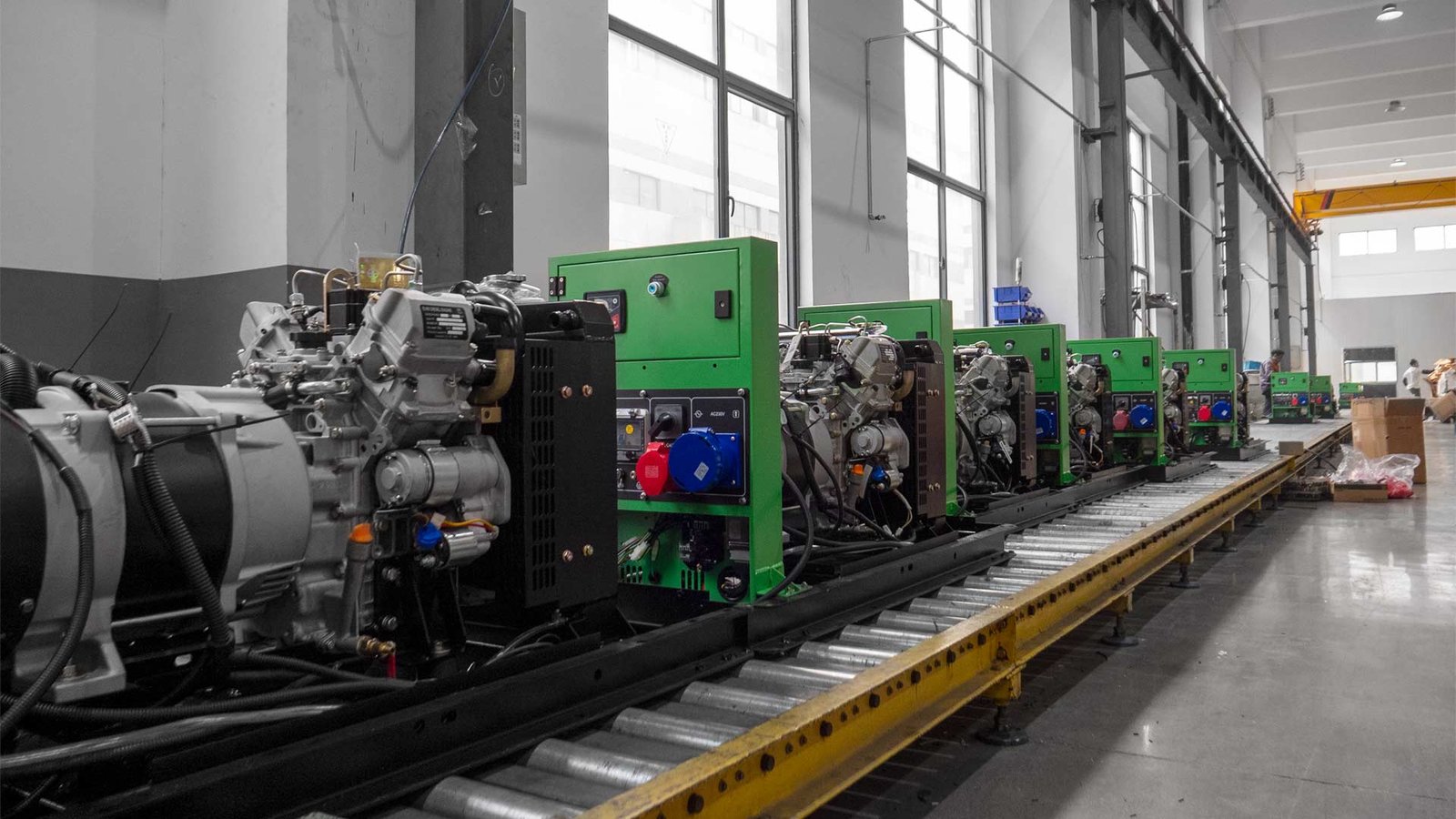
In today’s fast-paced industrial and commercial landscape, uninterrupted power is not a luxury—it is a necessity. A single power outage can halt manufacturing lines, compromise sensitive data center operations, disrupt healthcare services, and lead to massive financial losses. To safeguard operational continuity, businesses across the globe rely heavily on industrial diesel generators. However, investing in heavy power equipment is only half the battle. The true key to securing long-term operational resilience lies in partnering with a reliable diesel generator supplier.
Choosing the right equipment vendor goes far beyond comparing prices on a spec sheet. A generator is a multi-year investment that requires continuous support, technical expertise, and quick maintenance response times. Here is a comprehensive guide on how to evaluate, select, and build a lasting relationship with a trusted diesel generator supplier for your business.
Assessing Technical Expertise and Industry Reputation
When searching for a long-term commercial partner, the market reputation and technical proficiency of the diesel generator supplier should be your primary criteria. A vendor who understands the unique electrical demands of your specific sector will prove invaluable over time.
Proven Track Record and Industry Experience
Look for a diesel generator supplier with a established history in the power generation industry. An experienced provider will have navigated changing power regulations, evolving engine technologies, and diverse application challenges. Ask for case studies, client testimonials, or references from businesses in your industry—whether that is construction, healthcare, hospitality, or telecom. A supplier with proven success in your field is much more likely to understand your load demands and uptime criticalities.
Authorization and OEM Partnerships
A high-caliber diesel generator supplier typically maintains official distributor status or direct authorization from leading original equipment manufacturers (OEMs) such as Cummins, Perkins, Caterpillar, Kohler, or Baudouin. Authorized suppliers offer genuine products, standard factory warranties, and access to direct technical documentation. Working with an authorized dealer ensures you receive authentic machinery and certified components rather than gray-market or sub-standard equipment.
Evaluating Product Range, Quality, and Customization
Your power needs today might differ significantly from your power needs five years from now. A dependable diesel generator supplier must offer a diverse product portfolio and flexible engineering capabilities to accommodate your business growth.
Comprehensive Power Range and Fuel Options
Whether you require a compact 20 kVA standby unit for a retail location or a multi-megawatt prime power setup for a heavy industrial facility, your chosen diesel generator supplier should offer a broad selection of power output capacities. Furthermore, they should provide specialized options such as silent/soundproof canopy units, containerized generators for harsh environments, and dual-fuel systems if required by your operations.
Engineering Support and Sizing Expertise
Selecting the right generator capacity is a complex task. Under-sizing a generator leads to frequent overloads and engine damage, while over-sizing results in high fuel consumption and internal carbon build-up (wet stacking). A top-tier diesel generator supplier does not just sell machines; they send qualified engineers to perform thorough load audits on your premises. They calculate starting loads, running loads, phase balancing, and ambient temperature adjustments to recommend the exact generator model for your operational needs.
After-Sales Support, Maintenance, and Spare Parts Availability
The purchasing decision represents only a fraction of your total cost of ownership. The true measure of a diesel generator supplier lies in their after-sales service and ongoing maintenance support.
Emergency Response and Service Level Agreements (SLAs)
Power emergencies rarely happen during convenient business hours. When standard power fails, you need an immediate response. Inquire about the diesel generator supplier’s emergency support framework:
- Do they offer 24/7 technical assistance and rapid field dispatch?
- What is their guaranteed response time during critical outages?
- Can they structure customized Service Level Agreements (SLAs) tailored to your operational tolerance?
Local Spare Parts Inventory
A generator sitting idle due to a simple missing filter or fuel injector can cost your business thousands of dollars per hour. Ensure your diesel generator supplier maintains a robust local inventory of genuine spare parts, consumables, and replacement components. A supplier that relies on long overseas shipping times for routine replacement parts will ultimately jeopardize your operational uptime.
Compliance, Certifications, and Environmental Standards
Regulatory compliance regarding exhaust emissions and noise levels has become increasingly strict worldwide. Partnering with a knowledgeable diesel generator supplier helps ensure your facility remains compliant with local environmental laws.
Environmental and Emission Compliance
Modern diesel engines must comply with stringent emission regulations such as EPA Tier ratings or Stage standards. A responsible diesel generator supplier will guide you through local environmental codes, recommending units equipped with advanced fuel injection systems, diesel particulate filters (DPFs), and selective catalytic reduction (SCR) technology where required.
Quality and Safety Standards
Verify that the supplier’s products meet internationally recognized quality and safety standards, such as ISO 9001 (Quality Management), ISO 14001 (Environmental Management), and CE or UL certifications. Equipment that adheres to these rigorous standards ensures higher operational safety, durability, and energy efficiency.
Total Cost of Ownership vs. Upfront Price
While budget constraints are always a factor in corporate decision-making, choosing a diesel generator supplier based solely on the lowest initial price is often a costly mistake.
Analyzing Lifecycle Costs
A cheap generator with an unproven supplier can lead to frequent breakdowns, excessive fuel consumption, and premature equipment replacement. When evaluating proposals from a potential diesel generator supplier, consider the total cost of ownership (TCO):
- Initial purchase and installation costs
- Fuel efficiency at various load capacities
- Routine maintenance expenses and service interval costs
- Equipment lifespan and resale value
A reputable supplier will offer transparent pricing and present clear fuel efficiency metrics, helping you understand long-term running costs before you commit to a purchase.
Building a Strategic, Long-Term Partnership
Finding a trusted diesel generator supplier is ultimately about building a long-term business relationship centered on reliability and communication.
Before signing a contract, visit the supplier’s facility, inspect their workshop, and meet their technical team. Observe how they manage their operations, handle client queries, and maintain their equipment. A transparent, responsive, and well-organized diesel generator supplier will act as an extended wing of your engineering department, proactively managing your backup power strategy so you can focus on growing your core business.
By conducting thorough due diligence—assessing technical capability, after-sales infrastructure, regulatory compliance, and overall value—you can confidently select a diesel generator supplier that will keep your operations powered, resilient, and productive for decades to come.