
Introduction
Wireless audio technology has changed how people listen to music, attend online meetings, watch videos, and enjoy podcasts throughout the day. As headphones and earbuds continue to evolve, open ear wireless earbuds are becoming an increasingly popular choice among modern listeners. Unlike traditional earbuds that sit inside the ear canal, open ear designs allow users to enjoy audio while remaining aware of the sounds around them.
This combination of comfort, convenience, and environmental awareness makes open ear wireless earbuds appealing to students, professionals, fitness enthusiasts, commuters, and people who enjoy listening to audio while completing everyday activities. With improvements in sound quality, battery performance, wireless connectivity, and ergonomic design, these earbuds offer an alternative to conventional audio devices.
Understanding their benefits can help consumers decide whether open ear wireless earbuds are the right option for their lifestyle.
What Are Open Ear Wireless Earbuds?
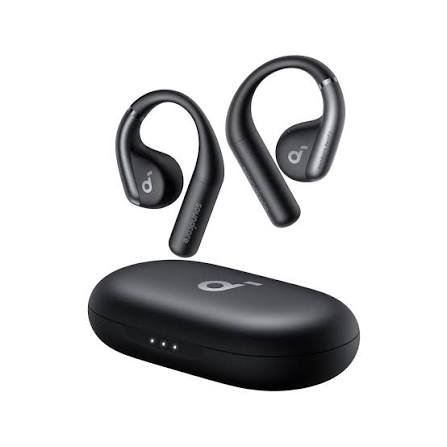
Open ear wireless earbuds are audio devices designed to deliver sound without completely blocking the ear canal. Instead of fitting deeply inside the ear, many models rest around the outer ear or use specialized acoustic technology to direct sound toward the listener.
Some designs feature small speakers positioned near the ears, while others use bone conduction technology to transmit vibrations through the bones of the skull. Although these approaches work differently, their shared purpose is to provide an audio experience while allowing users to hear at least some environmental sounds.
The wireless feature eliminates the need for traditional audio cables. Most models connect to smartphones, tablets, laptops, and other compatible devices through Bluetooth, making them convenient for everyday use.
Because of their distinctive design, open ear wireless earbuds have attracted attention from people who want greater flexibility when listening to audio at home, outdoors, or at work.
1. Greater Awareness of Surrounding Sounds
One of the main reasons open ear wireless earbuds are gaining popularity is their ability to help users remain aware of their surroundings.
Traditional in-ear earbuds can reduce environmental noise, depending on their fit and design. While this may be useful in certain situations, it can make it harder to notice conversations, announcements, approaching cyclists, or other nearby sounds.
Open ear wireless earbuds provide a different experience by leaving the ear canal unobstructed. This allows users to listen to music or podcasts while maintaining a connection with their environment.
For example, someone walking through a park may enjoy a favorite playlist while still hearing people nearby. Similarly, an office worker can listen to background audio without feeling completely disconnected from colleagues.
However, open ear designs do not guarantee complete awareness. Loud audio can still mask important sounds, so keeping the volume moderate is essential, particularly near traffic and other potential hazards.
2. Improved Comfort for Extended Listening
Comfort is another important factor influencing the growing demand for open ear wireless earbuds. Some people find conventional earbuds uncomfortable when worn for extended periods, especially if the tips create pressure inside the ear canal.
Open ear models avoid this type of direct insertion. Depending on their construction, they may rest around the outer ear, attach using lightweight hooks, or sit close to the ear without sealing it.
This design can reduce the feeling of pressure associated with traditional earbuds. It may also be appealing to listeners who dislike silicone ear tips or experience irritation from certain in-ear designs.
Lightweight construction further improves everyday usability. Many open ear wireless earbuds are designed to remain secure during walking, working, exercising, or performing household tasks.
Nevertheless, comfort depends on the shape of the user’s ears, the weight of the device, and the quality of its fit. Trying different designs can help consumers identify an option that feels comfortable throughout their daily routine.
3. Suitable for Active and Outdoor Lifestyles
Open ear wireless earbuds are particularly attractive to people who enjoy outdoor activities. Walking, cycling on appropriate routes, hiking, and exercising in public spaces often require users to balance entertainment with environmental awareness.
Because these earbuds do not completely seal the ear canal, they can provide a more open listening experience during movement.
For fitness enthusiasts, a lightweight and secure design can make workouts more convenient. Users can listen to energetic music, follow guided exercise sessions, or enjoy motivational podcasts without frequently adjusting their devices.
People who spend time outdoors may also appreciate the convenience of wireless connectivity. Without cables connecting the earbuds to a phone, there is less risk of wires becoming tangled in clothing or interfering with movement.
When selecting a model for exercise, buyers should check its water- and sweat-resistance rating. Not every pair is suitable for intense workouts or exposure to rain.
Open ear earbuds should also be used responsibly. Cyclists and pedestrians need to follow local safety regulations and maintain sufficient awareness of traffic and other hazards.
4. Convenient Wireless Connectivity
Wireless connectivity is a major advantage of modern earbuds, and open ear models benefit from the same technological developments.
Bluetooth connectivity allows compatible earbuds to connect with smartphones, laptops, tablets, and other devices without requiring a physical audio connection. Once paired, users can generally reconnect to their devices with minimal effort.
This convenience supports a wide variety of activities. Students can listen to recorded lessons, professionals can attend virtual meetings, and travelers can enjoy entertainment during suitable parts of their journeys.
Many models also include built-in microphones and control buttons or touch-sensitive surfaces. These features may allow users to answer calls, adjust volume, pause music, or switch between audio tracks without reaching for their phones.
Features differ between products, so buyers should review Bluetooth compatibility, microphone quality, call controls, and multipoint connectivity before purchasing.
For people who frequently switch between work and personal devices, these practical functions can make open ear wireless earbuds a useful addition to their technology collection.
5. A Balanced Audio Experience for Everyday Entertainment
Sound quality remains essential when choosing any pair of earbuds. Modern open ear wireless earbuds have improved in areas such as audio clarity, speaker performance, and sound processing.
Many models provide clear vocals and balanced sound for music, podcasts, audiobooks, and spoken content. This makes them suitable for listeners who prioritize convenience and awareness over complete isolation from external noise.
Open ear designs can be especially appealing for speech-focused activities. For example, users may enjoy educational recordings or listen to conversations while performing routine tasks.
However, open ear earbuds generally offer less passive noise isolation than sealed in-ear models. Their bass response may also differ because sound is delivered without the same enclosed acoustic environment.
Some products use directional audio technology to improve sound delivery and reduce sound leakage, although performance varies considerably.
People who frequently listen in crowded public spaces or prefer powerful bass may find traditional sealed earbuds more suitable. Comparing product specifications and listening to demonstrations can help establish realistic expectations.
6. Useful for Work, Study, and Daily Communication
Modern lifestyles often involve switching between several activities throughout the day. Open ear wireless earbuds can support this flexibility by making audio accessible without creating the same enclosed feeling as some conventional designs.
During remote work, users may listen to colleagues through online meetings while remaining more aware of sounds in their immediate environment. At home, they can follow instructional videos, listen to educational podcasts, or enjoy background music while completing ordinary responsibilities.
Students may find them useful for listening to recorded lessons or language-learning material. Professionals can also benefit from hands-free calls when their tasks permit safe and appropriate use.
The experience depends on the environment. Open ear earbuds may be less effective in noisy offices, busy cafés, or shared study spaces because outside sounds can compete with the audio.
They are therefore best viewed as a flexible listening option rather than a universal replacement for noise-isolating headphones.
7. Long-Term Convenience and Battery Performance
Battery life is another consideration for consumers evaluating wireless audio devices. Many open ear wireless earbuds are designed to provide several hours of playback on a single charge, while their charging cases can offer additional listening time.
Actual performance depends on battery capacity, volume level, Bluetooth features, microphone use, and other settings. Buyers should compare manufacturer estimates with their expected daily listening habits.
For someone who uses earbuds during a commute, work session, or workout, reliable battery performance can reduce the inconvenience of frequent charging.
Some models also include quick-charging capabilities, allowing users to gain additional playback time after a relatively short charging period.
Charging cases make storage and transportation easier, although not every open ear design includes one. Checking the complete product specifications can help consumers choose a model that fits their routine.
8. What to Consider Before Buying Open Ear Wireless Earbuds
Although open ear wireless earbuds offer several advantages, choosing the right pair requires more than looking at appearance or price.
First, consider the intended use. A person who exercises regularly may prioritize a secure fit, lightweight construction, and water resistance. Someone who mainly attends calls may focus on microphone clarity and connection stability.
Second, evaluate sound quality. Different designs produce different levels of bass, vocal clarity, and sound leakage. Reading independent reviews can help identify potential strengths and limitations.
Third, compare battery life, charging options, Bluetooth compatibility, and available controls. These features influence how conveniently the earbuds fit into everyday activities.
Finally, consider your listening environment. Open ear earbuds may be excellent for suitable outdoor activities and everyday tasks, but they are not necessarily the best option for noisy environments or situations requiring strong noise isolation.
Regardless of design, keep the volume at a comfortable level and take breaks during extended listening sessions. Open ear earbuds are not automatically safer for hearing simply because the ear canal remains open.
Conclusion
Open ear wireless earbuds are becoming a popular choice for modern listeners because they combine wireless convenience with a listening experience that allows greater awareness of surrounding sounds. Their lightweight designs, potential comfort benefits, suitability for outdoor activities, and practical connectivity make them appealing to a broad range of users.
From students and remote workers to fitness enthusiasts and everyday music lovers, many people can benefit from an audio device that supports different activities without completely isolating them from their surroundings.
However, these earbuds are not perfect for every situation. Sound quality, battery performance, fit, environmental noise, and personal preferences should all influence the purchasing decision.
As wireless audio technology continues to develop, open ear wireless earbuds are likely to remain an important option for people seeking flexibility and convenience in their daily listening experiences. Choosing a model that matches individual needs can help users enjoy their favorite audio content while making the most of modern listening technology.