
Working a long nursing shift requires physical stamina, mental focus, and good preparation. Nurses may spend hours walking between rooms, standing beside patients, assisting with procedures, completing documentation, and responding to unexpected situations. By the end of a 10- or 12-hour shift, fatigue can become a serious challenge.
This a guide for nurses on long shifts article explores practical ways nurses can prepare for extended workdays and take better care of their comfort and energy.
Start Your Shift With a Plan
One of the best ways to handle a long shift is to prepare before arriving at work. Having a simple plan can prevent unnecessary stress later.
Prepare your uniform, shoes, meals, snacks, and water bottle ahead of time. If you know your shift will be particularly demanding, consider what you can do beforehand to make the day easier.
Planning doesn’t have to be complicated. Even a few minutes of preparation can help you start your shift feeling more organized.
Get Quality Sleep
Sleep is one of the most important factors when preparing for a long nursing shift.
If you’re working during the day, aim to get sufficient sleep the night before. Nurses working overnight or rotating shifts may need to adjust their sleep routine according to their schedule.
Try to create a sleeping environment that is dark, quiet, and comfortable. Protecting your sleep time can help you approach a long shift with better energy.
Choose Supportive Footwear
A nurse’s feet can experience considerable stress during an extended shift. Walking and standing for hours can lead to soreness and discomfort.
Choose footwear that fits properly and offers suitable support and cushioning. Avoid shoes that are too tight or cause rubbing.
It’s also worth checking your shoes regularly. If the soles or cushioning are significantly worn, they may no longer provide the support you need.
Think About Compression Stockings
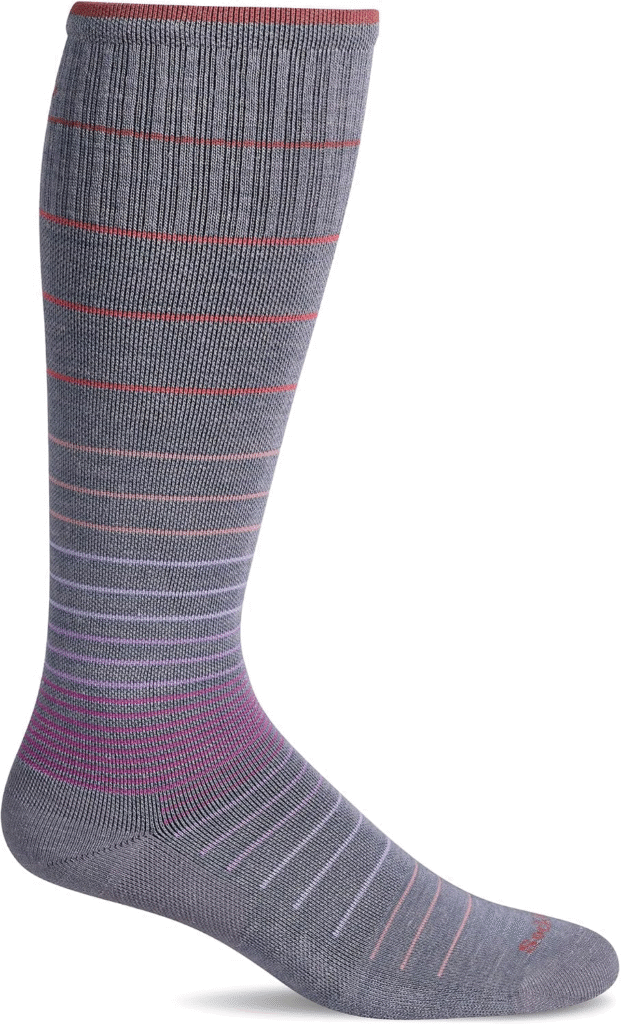
Compression stockings can be another consideration for nurses who spend much of their working day on their feet.
These garments apply graduated pressure to the legs and are available in different compression levels. Some people use them to help manage certain types of leg swelling, heaviness, or discomfort.
However, compression stockings aren’t appropriate for everyone. If you’re considering them because of persistent swelling, pain, circulation concerns, or another medical issue, talk with a healthcare professional about whether they’re suitable for you.
Keep Hydration Simple
Nurses often have extremely busy schedules, making it easy to forget about hydration.
Keeping a water bottle accessible, where permitted, can make drinking water more convenient. Take opportunities to hydrate during appropriate breaks rather than waiting until you’re extremely thirsty.
Hydration is particularly important when you’re physically active or working in a warm environment.
Don’t Wait Until You’re Starving to Eat
A long shift can make regular meals difficult. That’s why packing food beforehand can be helpful.
Choose foods that are practical to carry and easy to eat during your designated break. A combination of protein, carbohydrates, fruits, vegetables, and healthy fats can provide balanced nutrition.
Small snacks can also be useful when a full meal isn’t possible at the expected time.
Use Breaks for Recovery
A break is an opportunity to recover, not just another part of the schedule.
If you’ve spent hours standing, sit down for a while. If your legs feel stiff, gentle movement may help. Drink water and eat your meal rather than rushing through your break.
Even a short period of genuine rest can make the next few hours feel more manageable.
Change Positions Throughout the Shift
Staying in one position for too long can contribute to stiffness and discomfort.
Whenever your responsibilities allow, change positions and move naturally. Simple ankle movements, calf stretches, shoulder rolls, and gentle back movements can be performed during appropriate moments.
The goal is to keep your body moving without interfering with patient responsibilities.
Manage Mental Pressure
Long nursing shifts aren’t only physically demanding. Nurses must also process information, communicate with colleagues, monitor patients, and make decisions throughout the day.
Mental fatigue can build gradually. Organizing your tasks and taking appropriate breaks can help you maintain focus.
If you have a particularly stressful shift, giving yourself a few quiet minutes during a permitted break can help you mentally reset.
Limit Excessive Caffeine
Coffee and other caffeinated drinks are common among healthcare workers, particularly during night shifts.
Moderate caffeine consumption may help some people feel more alert, but excessive intake can interfere with sleep. This can be especially problematic when you need to sleep soon after finishing an overnight shift.
Pay attention to your own response to caffeine and avoid using it as a replacement for adequate rest.
Take Care of Your Legs After Work
After spending many hours standing and walking, your legs may need some recovery time.
Once you’re home, change into comfortable clothing and allow yourself time to relax. Gentle movement may help if you feel stiff, while adequate rest can support recovery.
Persistent or significant swelling, pain, numbness, weakness, or other unusual symptoms should be discussed with a healthcare professional.
Protect Your Sleep After a Night Shift
Night-shift nurses face an additional challenge: sleeping when most people are awake.
Consider making your bedroom as dark and quiet as possible. Limiting unnecessary interruptions can make daytime sleep easier.
Try to avoid filling the hours immediately after a night shift with too many additional responsibilities when possible. Recovery should be a priority.
Pay Attention to Warning Signs of Excessive Fatigue
There is a difference between normal tiredness and fatigue that may affect your ability to work safely.
Difficulty concentrating, unusual weakness, dizziness, confusion, or severe exhaustion should not be ignored. If fatigue is interfering with safe performance, follow your workplace procedures and communicate with the appropriate person.
Recognizing fatigue early is part of responsible self-care.
Create a Routine You Can Maintain
The best strategy in a guide for nurses on long shifts isn’t necessarily the most complicated one. A routine should be realistic enough to follow repeatedly.
For example, your routine might include:
- Preparing meals before work.
- Getting adequate sleep.
- Wearing supportive footwear.
- Keeping water available.
- Taking appropriate breaks.
- Moving and stretching when possible.
- Using compression support if appropriate.
- Prioritizing recovery after the shift.
These small habits can work together to make demanding shifts easier to manage.
Final Thoughts
A guide for nurses on long shifts should focus on realistic strategies rather than expecting nurses to completely eliminate fatigue. Long shifts are inherently demanding, but preparation, hydration, nutrition, supportive footwear, appropriate leg support, regular movement, and adequate sleep can help improve comfort throughout the workday.
Most importantly, nurses should remember that personal well-being matters too. Taking care of yourself can help you remain focused, comfortable, and prepared to provide safe and attentive care during even the longest shifts.