
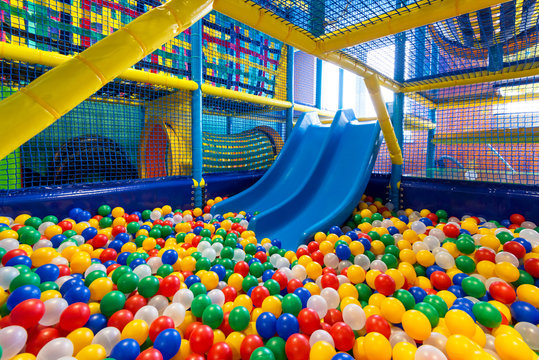
Creating an engaging indoor playground is one of the best ways to encourage children to stay active regardless of the weather. Whether it’s raining, snowing, or simply too hot to play outside, a thoughtfully designed indoor play space provides endless opportunities for fun, learning, and physical development. Modern families, schools, daycare centers, shopping malls, and entertainment venues all recognize the value of an indoor playground that combines safety, creativity, and excitement.
A well-planned indoor playground offers much more than slides and climbing frames. It encourages social interaction, boosts confidence, improves motor skills, and helps children burn energy in a safe environment. By incorporating creative design ideas, you can create a play area that keeps kids entertained throughout the year while meeting the needs of different age groups.
Why an Indoor Playground Is a Great Investment
An indoor playground offers year-round accessibility, making it an ideal solution for communities and businesses. Unlike outdoor parks, indoor facilities are protected from harsh weather conditions, ensuring uninterrupted playtime.
Parents appreciate the controlled environment because it provides better safety, cleaner surroundings, and comfortable temperatures. Businesses benefit from increased customer visits, while schools and childcare centers gain an engaging space that supports physical education and child development.
Children also enjoy greater freedom to explore, climb, crawl, jump, and imagine without worrying about seasonal limitations.
Create Separate Zones for Different Age Groups
One of the most effective design ideas is dividing the indoor playground into dedicated areas based on children’s ages and abilities.
Toddlers require soft surfaces, low climbing structures, sensory toys, and simple interactive activities. Preschoolers enjoy tunnels, mini slides, and obstacle courses that help develop coordination.
Older children often seek greater challenges such as rope courses, climbing walls, ninja-style obstacles, and multi-level play towers.
By separating age groups, every child can play comfortably while reducing the risk of accidents.
Use Bright Colors and Creative Themes
Colorful environments naturally attract children’s attention. A vibrant indoor playground filled with exciting themes creates a memorable experience.
Popular themes include:
Jungle Adventure
Children explore treehouses, animal sculptures, hanging bridges, and jungle vines.
Space Exploration
Rocket ships, planets, astronauts, and glowing stars encourage imaginative adventures.
Underwater World
Ocean creatures, submarines, coral reefs, and colorful fish create an immersive play experience.
Castle Kingdom
Princess castles, dragon tunnels, knight obstacles, and medieval towers inspire creative role-playing.
Creative themes help transform ordinary play equipment into magical experiences.
Include Multi-Level Play Structures
Multi-level structures maximize available space while increasing play value.
An indoor playground with multiple floors encourages children to climb, crawl, and explore different routes. Connecting bridges, tube slides, climbing nets, and lookout towers create exciting adventures that keep children engaged longer.
These structures also improve balance, coordination, and physical strength through continuous movement.
Add Interactive Play Elements
Technology can make an indoor playground even more exciting.
Interactive games projected onto walls or floors encourage children to run, jump, and chase moving objects. Motion sensors can activate lights, sounds, and educational games that combine entertainment with learning.
Examples include:
Interactive Floor Games
Children jump on colorful projections that respond instantly to movement.
Digital Climbing Walls
Special climbing walls display changing challenges and games.
Touchscreen Learning Stations
Educational activities improve memory, numbers, colors, and problem-solving skills while keeping children entertained.
Combining physical activity with technology creates a unique experience that appeals to modern families.
Focus on Safe Flooring
Safety should always be the top priority when designing an indoor playground.
Soft flooring materials significantly reduce injuries caused by slips or falls.
Popular flooring options include:
- Rubber safety flooring
- Foam mats
- Padded vinyl flooring
- Artificial turf
- Impact-absorbing flooring systems
Proper flooring also improves comfort for toddlers who spend more time crawling and sitting.
Build Challenging Obstacle Courses
Obstacle courses encourage active movement while improving strength, coordination, and confidence.
An engaging indoor playground may include:
Balance Beams
Children improve stability while walking across narrow paths.
Rope Bridges
These require balance and coordination.
Crawl Tunnels
Tunnels encourage exploration and imaginative play.
Climbing Nets
Climbing develops upper body strength and problem-solving skills.
Stepping Pods
Children practice balance while moving between elevated platforms.
Obstacle courses keep children physically active while making exercise enjoyable.
Incorporate Sensory Play Areas
Sensory play supports early childhood development by stimulating touch, sight, hearing, and movement.
A sensory-focused indoor playground may feature:
- Light walls
- Musical instruments
- Textured climbing panels
- Interactive spinning toys
- Soft sensory blocks
- Water-free sensory tables
These areas are especially valuable for toddlers and children with different sensory needs.
Provide Comfortable Seating for Parents
Parents often spend considerable time supervising their children.
A modern indoor playground should include comfortable seating with clear views of the play area.
Additional amenities can include:
- Free Wi-Fi
- Charging stations
- Coffee areas
- Snack bars
- Reading spaces
- Family lounges
Comfortable waiting areas encourage longer visits and improve the overall customer experience.
Maximize Vertical Space
When floor space is limited, vertical design becomes essential.
A multi-story indoor playground allows children to enjoy more activities without requiring additional square footage.
Vertical features may include:
Spiral Slides
Tall enclosed slides create exciting exits from upper levels.
Climbing Towers
Children challenge themselves by reaching higher platforms.
Hanging Obstacles
Suspended bridges and swinging elements add variety.
Observation Decks
Children enjoy elevated viewpoints while exploring the structure.
Using vertical space increases both excitement and capacity.
Include Educational Play Features
Learning and fun work well together.
An educational indoor playground can include:
- Alphabet games
- Number walls
- Puzzle stations
- Shape recognition activities
- Science-themed exhibits
- Geography maps
Interactive educational elements help children develop cognitive skills while remaining physically active.
Design for Inclusive Play
An outstanding indoor playground welcomes children of all abilities.
Inclusive features may include wheelchair-accessible ramps, sensory-friendly rooms, adaptive swings, wide pathways, and accessible interactive games.
Creating an inclusive environment allows every child to participate, socialize, and enjoy the experience together.
Install Safe Climbing Walls
Children naturally enjoy climbing because it challenges both body and mind.
Indoor climbing walls designed specifically for young users improve:
Physical Strength
Climbing builds muscles and endurance.
Confidence
Each successful climb boosts self-esteem.
Coordination
Children learn to plan movements and maintain balance.
Safety harnesses, soft landing zones, and age-appropriate difficulty levels make climbing enjoyable and secure.
Add Imaginative Role-Play Areas
Pretend play supports creativity and communication.
An engaging indoor playground can include themed role-play spaces such as:
- Grocery stores
- Fire stations
- Hospitals
- Construction zones
- Restaurants
- Airports
Children naturally create stories, solve problems, and develop social skills while interacting with others.
Keep the Layout Easy to Supervise
A successful indoor playground should allow parents and staff to monitor children easily.
Open sightlines, clear walkways, strategic seating, and transparent barriers improve visibility without reducing excitement.
Good supervision contributes significantly to overall safety.
Maintain Excellent Hygiene
Cleanliness plays a major role in customer satisfaction.
Regular sanitization of climbing equipment, slides, soft play areas, and interactive games helps reduce germs and creates a healthier environment.
Ventilation systems, air purification, and easy-to-clean materials also contribute to maintaining a pleasant atmosphere year-round.
Refresh the Playground Regularly
Even the best indoor playground benefits from occasional updates.
Seasonal decorations, rotating activities, temporary obstacle courses, themed events, and new interactive games encourage families to return repeatedly.
Frequent improvements keep the experience fresh while extending customer interest over time.
Conclusion
Designing an exciting indoor playground requires balancing creativity, safety, learning, and physical activity. By incorporating age-specific zones, colorful themes, climbing structures, obstacle courses, sensory experiences, educational features, and comfortable family amenities, you can create a destination that children love visiting throughout the year.
A thoughtfully designed indoor playground encourages healthy movement, social interaction, and imaginative play while providing parents with peace of mind. Whether the goal is serving a community center, school, family entertainment venue, or commercial business, investing in innovative design ideas ensures children remain active, engaged, and happy in every season.