
Understanding Productivity in Woodworking
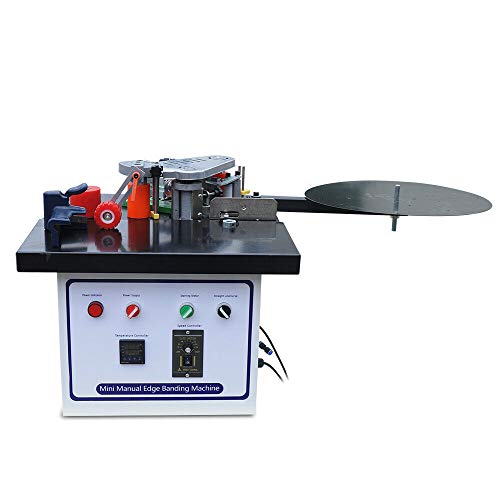
Improving productivity is a top priority for any woodworking shop, regardless of size. Whether you are producing furniture, cabinetry, or custom interior elements, efficiency directly impacts your output, quality, and profitability. One of the most effective ways to boost operational performance is by using an Edge Banding Machine. This essential tool automates the process of applying edge tape to panels, ensuring consistent quality and saving valuable time. To maximize productivity, woodworkers must understand how to use the machine effectively, optimize workflow, maintain equipment, and choose the right features for their needs.
Choosing the Right Edge Banding Machine for Efficiency
Selecting the right type of Edge Banding Machine plays a major role in improving productivity. Not all machines are designed the same, and each model offers unique features that can enhance output. Entry-level machines are suitable for small workshops and simple tasks, while more advanced models are equipped with automatic feeding, trimming, buffing, and corner rounding functions. These advanced features reduce manual labor and allow operators to complete more tasks in less time. Speed is another important factor. A machine with a higher feed rate significantly increases daily output. Likewise, machines that support different edge materials—such as PVC, ABS, veneer, or melamine—enable flexibility and reduce downtime caused by material switching.
Organizing Workflow for Faster Output
Your workshop’s layout and workflow can greatly influence how effectively an Edge Banding Machine performs. Organize the working area so that materials flow smoothly from one station to another. When panel cutting, edge banding, trimming, and finishing areas are strategically positioned, you eliminate unnecessary movement and reduce production time. Consider using panel carts or roller tables near the machine to ensure a constant supply of panels. This prevents idle time and allows the operator to maintain a steady pace. Additionally, planning your edge banding tasks in batches increases productivity. Grouping panels with similar thickness or edge material minimizes machine adjustments, saving time and reducing errors.
Training Operators to Maximize Performance
Even the most advanced Edge Banding Machine cannot deliver peak productivity without well-trained operators. Proper training ensures that workers understand machine functions, safety measures, setup requirements, and troubleshooting procedures. Operators who are confident and knowledgeable can adjust the machine faster, solve small problems without delay, and maintain consistent output. Regular training sessions also help introduce new workflow strategies or machine upgrades. When operators stay updated with the latest technology, they become more efficient, contributing directly to increased productivity in the workshop.
Regular Maintenance for Long-Lasting Efficiency
A well-maintained Edge Banding Machine operates smoothly, reduces downtime, and minimizes repair costs. Routine maintenance is essential to prevent breakdowns that can interrupt production. Clean the glue pot regularly, remove dust buildup, and inspect trimming units for wear. Lubricate moving parts as recommended by the manufacturer and replace worn components before they cause machine failures. Scheduled maintenance not only extends the life of your machine but also maintains precision and consistency in edge application. Reliable performance means fewer defects, less rework, and increased overall productivity.
Using High-Quality Edge Materials
The quality of edge banding materials directly affects the performance of your Edge Banding Machine and your overall productivity. Poor-quality edge tape can cause feeding issues, uneven adhesion, or improper trimming. These defects require rework and slow down your workflow. Using materials that match your machine’s specifications ensures smooth operation and consistent bonding. High-quality glue is equally important. The right adhesive reduces glue line visibility, enhances bonding strength, and speeds up production by reducing the need for manual corrections.
Reducing Setup Time with Smart Adjustments
Setup time can take a significant portion of the workday, especially when switching between different panel sizes or materials. To improve productivity, use machines that offer quick-change settings, preset programs, or digital controls. These features minimize manual adjustments and reduce operator error. For shops that deal with high-volume production, investing in CNC-controlled Edge Banding Machines can drastically reduce setup time. Automatic adjustments ensure precision and allow operators to switch between tasks without interrupting workflow.
Optimizing Glue Usage for Faster Production
Glue application is one of the most important stages in edge banding. Too much glue can create a mess and require extra cleanup, while too little can cause bonding failure. Both issues reduce productivity. Machines with efficient glue systems provide consistent glue application and reduce waste. Preheating the glue pot before production starts ensures a smooth workflow, preventing delays. Monitoring temperature settings also helps maintain proper viscosity for optimal results.
Implementing Quality Control to Reduce Rework
Rework can consume a significant amount of time and resources. To improve productivity, add a simple quality control process after the edge banding stage. Inspect panels for alignment, trimming accuracy, and glue line visibility. Identifying and fixing issues early prevents large-scale defects and ensures higher output quality. Modern Edge Banding Machines with automatic trimming and buffing reduce errors and produce cleaner finishes, which means fewer quality issues.
Integrating Automation for Maximum Output
Automation is a major productivity booster in modern woodworking. Machines equipped with automatic feeding, gluing, trimming, scraping, and polishing require minimal manual intervention, allowing the operator to oversee multiple tasks simultaneously. Advanced Edge Banding Machines also include digital displays, touchscreens, and memory settings to streamline the process. For large workshops, integrating edge banders with panel saws, CNC routers, and conveyor systems significantly improves production speed and accuracy.
Improving Productivity Through Safety Practices
Safe operation ensures uninterrupted workflow. Accidents and machine misuse lead to downtime and reduce overall productivity. Provide operators with proper safety gear and ensure that safety guards and emergency controls are functional. Regular safety inspections help maintain a smooth working environment and boost team confidence, resulting in consistent and efficient production.
Conclusion
Improving productivity with an Edge Banding Machine requires a combination of the right equipment, operator training, workflow optimization, and consistent maintenance. When used properly, the machine dramatically speeds up production, enhances quality, and reduces errors. By selecting high-quality materials, minimizing setup time, and integrating automation, woodworking shops can achieve higher output and long-lasting efficiency. With the proper strategy, your Edge Banding Machine becomes a powerful tool that elevates both productivity and craftsmanship.